2020 Lucky Pig New Year Redwork Design Review
As an embroidery designer and product reviewer with years of experience in the craft, I approach every new design with a critical eye. When it comes to the 2020 Lucky Pig New Year Redwork Design, there's a lot to consider beyond its festive theme. This isn’t just another holiday design—it’s one that needs to be evaluated for real-world application. Whether you're planning a custom sweatshirt, a personalized gift, or a line of handmade products for your Etsy shop, this redwork pig brings both charm and challenges.
First Impressions: A Festive Yet Practical Theme
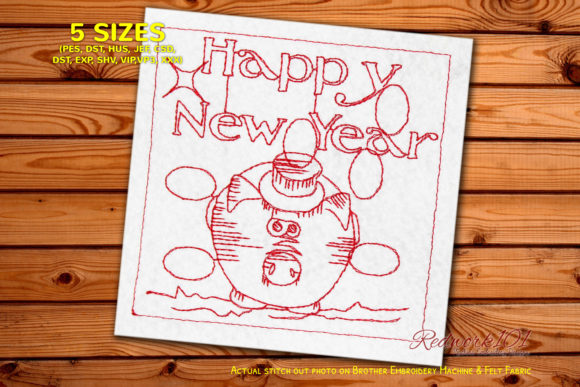
The moment I opened the digital embroidery file for the 2020 Lucky Pig New Year Redwork Design, I was struck by its simplicity and warmth. The layout is clean, with a bold silhouette of a pig framed by traditional redwork elements like floral borders and calligraphic text. It exudes a sense of celebration without being overwhelming—perfect for those who want to add a touch of tradition to their projects. The visual personality feels grounded in heritage but also adaptable to modern aesthetics.
What caught my attention most was how the design uses negative space effectively. The black-and-white color scheme gives it a timeless feel, which makes it versatile for a range of embroidery projects. But here's the thing: redwork designs aren't always created equal. The details matter, especially when it comes to stitch direction, spacing, and clarity on fabric. That said, the 2020 Lucky Pig New Year Redwork Design has a strong foundation, though some adjustments may be necessary depending on the final use case.
Design Fit for Embroidery Projects
This design would look at home on a variety of items. For instance, imagine stitching it onto a custom tote bag for a boutique’s New Year’s sale. The pig motif adds a playful yet elegant touch, while the redwork style ensures it stands out even on muted backgrounds. Similarly, using it as a sweatshirt embroidery could work well if the rest of the garment maintains a minimalist palette. The design’s scale and detail level make it suitable for larger formats where the message and imagery are clear at a glance.
I also see potential for baby embroidery, particularly for holiday-themed nursery decor. The soft curves and non-threatening shape of the pig are ideal for young children’s spaces. However, because the design includes delicate lines and small areas of fill stitch, it might require extra care when working with stretchy or thin fabrics commonly used in baby clothes or garments.
If you're considering this as an embroidered patch, keep in mind that the outer box mentioned in the product description (which is optional) can either enhance or distract from the overall look. As a reviewer, I suggest testing whether the box complements the design or not before committing to production. You can skip the outer box if it doesn’t align with your brand or project vision.
Real-World Performance in Commercial and Personal Projects
Embroidery files don’t always translate perfectly to fabric, so it's important to evaluate how the 2020 Lucky Pig New Year Redwork Design performs under different conditions. In custom apparel scenarios, the design holds up well on cotton blends and light denim. The running stitch elements along the edges help maintain crispness, and the satin stitch sections give depth without being too dense.
For sweatshirts, the design benefits from a slightly higher stitch density to ensure visibility after repeated washing. On t-shirts, especially lighter ones, the contrast between thread colors becomes more crucial. While the design is typically stitched in white or black, subtle variations in lighting and fabric can affect how vibrant it appears.
In the realm of handmade products, this design shines. Tote bags, aprons, and tea towels become instant favorites during the holiday season when adorned with this lucky pig. Its presence elevates the product value and creates a sense of occasion, which is great for Etsy sellers looking to offer seasonal appeal. Even in holiday gifts, such as embroidered pillows or blankets, the design adds a personal touch that customers appreciate.
Where to Use With Caution
While the 2020 Lucky Pig New Year Redwork Design is versatile, there are a few situations where it should be used carefully. If you're working within a small hoop size, the intricate corners and detailed features might get lost or distorted. Textured fabrics like flannel or canvas can cause the fill stitches to appear uneven, potentially affecting the visual appeal of your finished product.
Thin or stretchy materials, such as those used in caps or hats, may not hold the design as cleanly due to the lack of stability. Curved surfaces can also pose a challenge, especially if the design hasn’t been pre-adjusted for contouring. Additionally, frequent washing—common in items like aprons or kitchen towels—can wear down the design over time, making stabilizer choice and stitch density key factors in longevity.
For digital product previews or printable mockups, the design works well as long as the resolution and scaling are handled properly. Since the color of the outer box is often different from the main design, it's worth noting that you can modify or remove it entirely to better suit your branding or client preferences.
Visual Appeal and Stitching Clarity
One of the standout qualities of the 2020 Lucky Pig New Year Redwork Design is its visual balance. The symmetry and proportion of the pig itself are well-executed, making it easy to recognize from a distance. This is essential for anything intended to be seen quickly, like storefront banners or packaging labels for a small shop product.
Stitch clarity is another point worth highlighting. The design avoids overly tiny lettering or densely packed fill areas that can lead to distortion or puckering. Instead, it uses moderate stitch lengths and spacing, which helps maintain definition across various fabric types. Still, it’s wise to test the design on scrap fabric first, especially if you're aiming for commercial embroidery applications where consistency is key.
When applied to dark fabric, the design remains visible thanks to its high-contrast elements. But for light-colored bases, the thread color selection becomes even more critical. Always compare the design on both light and dark backgrounds to ensure it meets your aesthetic goals and customer expectations.
Practical Designer Notes
- Test on Scrap Fabric First: Before moving to a finished product, try stitching the design on a piece of similar fabric to assess tension, thread breakage, and overall appearance.
- Check Thread Color Contrast: Especially if you're using it for handmade products or personalized gifts, ensure the chosen thread colors stand out against the base fabric.
- Review Stitch Density: Areas with fill stitch should be examined for tightness. Too loose, and they'll appear fuzzy; too tight, and they risk damaging the fabric.
- Confirm Hoop Size: If you’re planning to use this for smaller patches or caps, verify the recommended hoop size to prevent stretching or misalignment.
- Inspect Small Details: Look closely at curved lines and intricate shapes. These can sometimes behave unpredictably depending on machine type and fabric texture.
- Test in Black and White Mockups: Since it's a redwork design, seeing how it translates in grayscale can help you understand its adaptability for different markets.
- Use Proper Stabilizer: Backing material plays a huge role in the success of any embroidery project. Choose the right stabilizer based on your fabric and machine recommendations.
- Confirm Licensing: If you're an Etsy seller or part of a craft business, make sure you have the proper license to sell finished items or digital embroidery files. This is vital for maintaining customer trust and professionalism.
Impact on Product Value and Branding
From a practical standpoint, adding the 2020 Lucky Pig New Year Redwork Design to your handmade products or custom apparel can significantly boost their perceived value. Customers often associate well-crafted embroidery with quality and attention to detail, which is especially true for personalized gifts and holiday-themed items.
Its recognizable shape and cultural symbolism make it a strong design asset for branding purposes. Whether you're creating a line of small shop products or developing digital assets for a commercial embroidery venture, the pig motif can serve as a memorable element. Just remember to match the design tone with your overall brand identity to maintain cohesiveness and recognition.
On the flip side, if the design isn’t executed properly, it could detract from the professionalism of your work. Poorly stitched details or incorrect thread choices can make the whole project look rushed or low-quality. So, while the design has potential, it requires thoughtful implementation.
A Versatile Addition to Your Embroidery Toolkit
Ultimately, the 2020 Lucky Pig New Year Redwork Design is a solid option for both hobbyists and professionals. Its adaptability across multiple mediums—from tote bag design to holiday embroidery—makes it a valuable addition to your creative arsenal. However, its performance will depend heavily on your execution process, including stabilizer use, thread selection, and machine settings.
For those in the craft business or selling on Etsy, this design can enhance buyer engagement and giftability, especially around the New Year. It’s also a good candidate for printable mockups or design assets that you can showcase in your listings. Just make sure to review all technical aspects and confirm licensing terms before offering it as a commercial embroidery project.
As always, treat each embroidery file as a starting point rather than a finished solution. The 2020 Lucky Pig New Year Redwork Design offers a lot of promise—but only if you take the time to tailor it to your specific needs and audience.