Cowboy Horse Embroidery Review
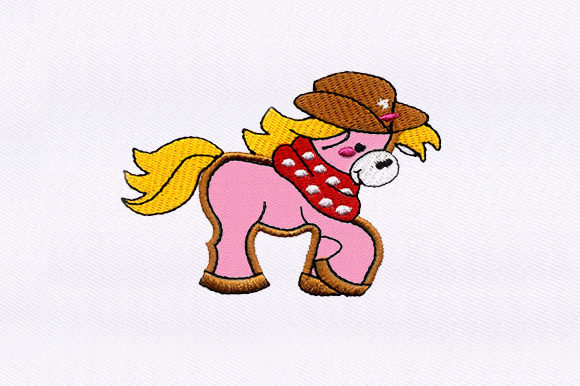
As an experienced embroidery designer who has spent years translating digital concepts into tangible brand assets, I approach every new file with a critical eye. We are not just looking at pretty pictures; we are evaluating functionality, durability, and brand alignment. Today, I am reviewing the Cowboy Horse design for small business owners, Etsy sellers, and apparel decorators who are considering adding this piece to their commercial inventory.
This review focuses on practical application. Whether you are creating branded patches for a local café, custom caps for a boutique team, or tote bag designs for a handmade shop, understanding how a design performs in real-world production is essential. The Cowboy Horse file promises a rustic yet professional aesthetic, but does it hold up under the hoop?
First Impressions and Visual Personality
When loading the Cowboy Horse design into your digitizing software, the first thing that strikes me is its potential versatility. The title suggests a Western theme, which often implies bold lines, rustic charm, and a sense of tradition. For small business merch, this visual personality can be incredibly powerful. It evokes feelings of authenticity, craftsmanship, and heritage—qualities that resonate deeply with customers who value handmade products.
In terms of brand identity, this design feels premium without being overly ornate. It avoids the cluttered look of some decorative files, allowing the central motif to stand out. This simplicity is crucial for embroidered patch applications where clarity at smaller sizes is paramount. If the design were too intricate, it would lose definition when stitched on fabric. Here, the balance appears to favor readability and impact, making it suitable for everything from staff uniforms to customer gift items.
Real-World Business Applications
The true test of any machine embroidery design is its adaptability across different product categories. Let’s look at how Cowboy Horse fits into specific business scenarios.
- Embroidered Patches: This is perhaps the strongest use case. The design’s proportions seem well-suited for standard patch sizes. When applied to denim jackets, backpacks, or client gifts, it adds a distinct character that elevates the perceived value of the item.
- Cap Embroidery: A chest logo on a structured cap is a staple of promotional merchandise. The Cowboy Horse design likely offers enough contrast and clear outlines to remain legible on the curved surface of a hat front. It works particularly well for outdoor brands, rodeo events, or western-themed boutiques.
- Apron Embroidery: For bakeries, florists, or craft studios, branding on aprons is both functional and marketing-driven. Placing this design on the chest pocket or lower hem of a canvas apron reinforces a hands-on, artisanal brand image. It signals to the customer that care and attention to detail go into every interaction.
- Tote Bag Design: Tote bags are mobile billboards. A well-executed stitch pattern on a canvas bag draws eyes. The Cowboy Horse file provides a focal point that anchors the design, ensuring the bag looks intentional rather than randomly decorated.
- Custom Apparel and Uniforms: For teams or employees in creative industries, this design offers a unique alternative to standard logos. It adds a touch of personality to work shirts, fostering a sense of pride and community among staff while maintaining a professional appearance.
Strategic Considerations and Limitations
No design is perfect for every application. As a designer, I must advise caution in certain areas to ensure your finished product meets high standards.
Small Patch Sizes and Cap Fronts: While the design is versatile, extreme miniaturization can be risky. If you plan to produce very small patches (under 2 inches), you must verify that fine details do not merge together. On cap fronts, the curvature can distort tight spacing. Always create a printable mockup to visualize how the design interacts with the garment’s shape before committing to production.
Stitch Density and Thread Colors: High stitch density can make a patch stiff and difficult to sew onto thin fabrics. Conversely, low density may show the backing material through the stitches. You need to inspect the thread color contrast carefully. Dark thread on dark fabric will disappear, while light thread on light fabric may lack punch. Test your chosen thread colors against your actual fabric swatches.
Fabric Texture and Washing: Textured fabrics like heavy tweed or rough linen can obscure fine stitching. Additionally, items that require frequent washing, such as staff aprons or work shirts, need durable construction. Ensure the design is stabilized properly to prevent puckering over time. The longevity of the embroidery directly impacts customer trust and brand reputation.
Brand Identity and Customer Trust
Investing in quality embroidery is an investment in your brand’s visual consistency. A crisp, well-placed Cowboy Horse logo communicates professionalism. It tells your customer that you pay attention to details, even those they might not immediately notice but will feel subconsciously.
Handmade presentation matters. When a customer receives a product with clean, precise stitching, it enhances the unboxing experience. It transforms a simple commodity into a keepsake. This emotional connection drives repeat purchases and word-of-mouth referrals. By using a distinctive design like this, you differentiate your small business merch from mass-produced alternatives.
Practical Designer Notes for Production
Before you start producing commercial embroidery projects with this file, follow these essential steps:
- Test in Black and White: Convert the design to monochrome in your software. This helps you evaluate the structure and balance without the distraction of color.
- Check Hoop Size and Dimensions: The provided specs indicate a hoop size of 4×4 inches (95.2×66.2 mm). Verify that this fits your intended product area. If you need a larger design, you may need to resize, but be cautious of distortion.
- Review File Formats: Ensure your machine supports the included formats (DST, PES, JEF, etc.). Having multiple options like ART, CND, and EXP gives you flexibility if you share files with other manufacturers.
- Use Proper Stabilizer: The choice of stabilizer is critical. Cut-away stabilizers are generally recommended for patches and garments that will undergo stress or washing. Tear-away may suffice for temporary holds on sturdy fabrics.
- Create a Mockup: Use a printable mockup to show clients or stakeholders. Visualizing the final product helps avoid costly mistakes.
- Confirm Commercial Licensing: Most digital files come with specific usage rights. Before selling products featuring the Cowboy Horse design, read the license agreement carefully to ensure you are permitted for commercial use.
- Inspect Spacing and Outlines: Look closely at the digitizing. Are there gaps that might catch lint? Are the outlines too thin? A good design anticipates the physical properties of thread and fabric.
Final Verdict
The Cowboy Horse design is a strong contender for businesses seeking to add a touch of rustic elegance to their brand. Its versatility across patches, caps, and apparel makes it a valuable asset in your design assets library. However, success lies in the execution. By testing thoroughly, choosing the right materials, and respecting the technical limitations of embroidery, you can turn this digital file into a profitable and beloved physical product.
For the discerning small business owner, the difference between a good product and a great one is often found in these details. Take the time to review the embroidery file critically, consult with your production team, and ensure every stitch aligns with your brand’s promise of quality.