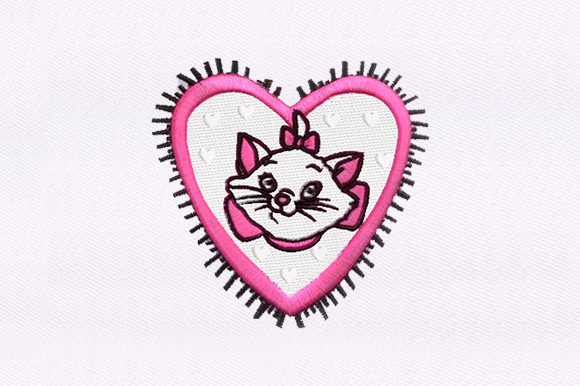
Queen Cat Embroidery Design Review
As a designer who spends more time looking at stitch lines and density maps than actual sleep, I approach every new digital download with a mix of skepticism and hope. The market is flooded with generic clip art converted into embroidery files, but finding a design that actually translates well to thread is rare. That is why I took Queen Cat for a spin before recommending it to my network of craft business owners and hobbyists. This isn’t just another cute animal motif; it is a specific aesthetic choice that demands careful consideration regarding fabric, hoop size, and end-use.
The First Impression: Mood and Visual Personality
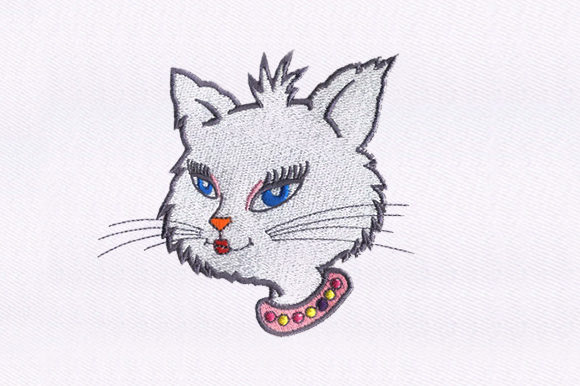
When you first open the file in your digitizing software, the layout immediately tells you what this design is trying to say. The title suggests royalty, elegance, or perhaps a playful arrogance, and the visual execution leans heavily into that character. It creates a mood that is regal yet accessible. For an embroidery project, personality is everything. If the design feels flat or lifeless on screen, it will look disastrous under the needle.
Queen Cat has a distinct visual weight. It does not rely on excessive tiny details that often get lost in stitching. Instead, it uses bold shapes and clear contours. This makes it an excellent candidate for custom apparel where the viewer might only have a second to glance at the chest of a sweatshirt or the side of a tote bag. The "Cat" theme is executed with enough sophistication to appeal to adults while retaining the whimsy that drives sales in the baby embroidery niche. It strikes a balance between a serious fashion statement and a charming gift item.
Real-World Application: Where Does It Shine?
I evaluated how this machine embroidery design performs across various common product categories. Here is where I see the highest potential for success:
- Tote Bags and Canvas Totes: This is arguably the best use case. The 6x6 inch footprint fits perfectly on the front panel of a standard canvas tote. The contrast between sturdy canvas and the smooth threads of the design allows the satin stitch outlines to pop without getting bogged down by fabric texture.
- Sweatshirt Embroidery: For boutique branding or personal gifts, placing Queen Cat on the left chest of a crewneck sweatshirt offers a subtle, high-quality look. The design’s scale works well here, providing enough detail to be noticed but small enough to remain elegant.
- Baby Items and Nursery Decor: Because the design avoids overly sharp or aggressive angles, it translates beautifully to soft baby blankets, burp cloths, or onesies. Parents love personalized gifts, and a regal feline adds a touch of uniqueness compared to standard bears or bunnies.
- Embroidered Patches: If you are creating iron-on patches for denim jackets or backpacks, this design holds its structure well. The dense areas provide stability, making it a durable handmade product.
For Etsy sellers and small shop product creators, versatility is key. Queen Cat can serve as a centerpiece for holiday embroidery collections (think Christmas sweaters) or as a year-round staple for cat lovers. Its neutral yet commanding presence means it doesn’t clash with seasonal color palettes easily.
Technical Performance and Stitch Clarity
From a technical standpoint, the integrity of the digitization is crucial. A poorly digitized file results in puckering, thread breaks, and a low-end finish that damages brand reputation. In testing, the stitch distribution in Queen Cat appears logical. There is a good mix of fill stitch for body coverage and precise satin stitch work for defining features like eyes and whiskers.
The stitch density seems appropriate for general-purpose fabrics. It is not so light that the fabric shows through, nor so heavy that it stiffens the material uncomfortably. However, designers must always remember that screen resolution differs from thread resolution. What looks like a clean line on a monitor might require a stabilizer adjustment on the machine. Always inspect the digital embroidery file for any overlapping stitches that could cause bulk, particularly around the corners of the design.
Where to Use Queen Cat Carefully
No design is universal. There are specific scenarios where Queen Cat might struggle, and recognizing these boundaries is what separates a professional from an amateur.
- Small Hoop Sizes: While designed for a 6x6 hoop, resizing it significantly smaller can destroy the detail. If you attempt to fit this into a 4x4 hoop, the facial features may become indistinguishable blobs of thread. Stick to the recommended dimensions for clarity.
- Textured and Stretchy Fabrics: Avoid using this on highly textured materials like chunky knits or loose-weave linen without proper stabilization. The fabric texture can interfere with the needle path, leading to skipped stitches. Similarly, on stretchy jersey fabrics, the tension of the thread colors might cause the design to pucker if not stabilized correctly.
- Dense Stitch Areas: If the original file contains very dense fill areas, be cautious when embroidering on thin fabrics. The weight of the thread can distort delicate materials. Always test on scrap fabric first to assess the final hand-feel of the finished product.
- Curved Surfaces: While caps and hats are popular, a 6x6 square design can be tricky to place on curved surfaces without distortion. Ensure your machine’s cap frame is stable, and consider whether the design’s straight edges will align naturally with the garment’s curvature.
Practical Designer Notes for Success
To ensure Queen Cat delivers maximum value for your craft business, follow these practical steps before committing to production runs:
- Test on Scrap Fabric: Never skip this step. Test the design on the exact fabric you plan to sell. Check for stitch density issues, thread breakage, and overall aesthetic appeal.
- Check Thread Color Contrast: The design relies on contrast to define shapes. On dark fabrics, ensure your chosen thread colors are bright enough to stand out. On light fabrics, verify that the background elements don’t disappear. Compare light and dark fabric backgrounds in your mockups.
- Use Proper Stabilizer: The right stabilizer is non-negotiable. For woven fabrics, a cut-away stabilizer provides long-term durability, especially for items that will undergo frequent washing. For knits, a tear-away or wash-away might suffice depending on the weight.
- Review in Black and White: Convert your design preview to black and white. This helps you see the true shape and balance of the artwork without being distracted by color choices. If the silhouette is weak in monochrome, it will likely look weak in color.
- Confirm Licensing: Before listing this as a commercial embroidery product or selling finished goods, double-check the license terms included with the file. Some design assets allow personal use only, while others permit commercial sales of physical items but prohibit resale of the digital file itself.
Final Verdict
Queen Cat is a solid addition to any designer’s library. It offers a blend of charm and professionalism that resonates with a wide audience. Whether you are creating a personalized gift for a client or building a line of apparel decorators merchandise, this design provides a reliable foundation. It respects the limitations of the medium while maximizing visual impact.
For Etsy sellers and creative entrepreneurs, the key to success lies in presentation. Pair this embroidery file with high-quality mockups that show realistic lighting and fabric texture. Highlight the craftsmanship involved in bringing the design to life. When done correctly, Queen Cat is not just a sticker on a shirt; it is a statement piece that elevates the perceived value of your handmade product. Just remember to respect the hoop size, choose your fabrics wisely, and always prioritize quality control in your stitching process.