Mother s Day Embroidery Design Review
As an experienced embroidery designer, I spend a significant portion of my week evaluating digital assets for their potential to become tangible, profitable products. When preparing for the upcoming craft fair season, I am always looking for designs that offer immediate visual appeal, broad marketability, and production reliability. Today, I am reviewing the Mother s Day machine embroidery design. This is not just about whether the file works in software; it is about whether this specific asset will stop a shopper at a busy booth, justify a premium price point, and result in a satisfied customer who takes pride in their handmade gift.
First Impressions and Visual Impact
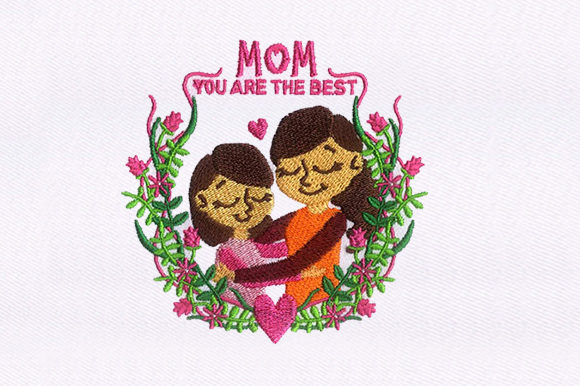
The title "Mother s Day" suggests a focus on sentimentality and celebration. In the crowded marketplace of handmade goods, first impressions are everything. From a design perspective, we need to assess if this piece feels bold enough to catch the eye from three feet away or subtle enough to feel like a cherished keepsake. For a weekend craft fair, items must communicate their purpose instantly. A well-executed Mother s Day design should balance decorative flair with readability. If the design leans too heavily into intricate, tiny details, it risks losing impact when viewed quickly by passersby. Conversely, if it is too simple, it may lack the perceived value required to sell at a higher margin.
I imagine this design performing best as a central focal point on soft goods. The aesthetic needs to align with current trends—whether that means modern minimalism, rustic farmhouse charm, or elegant script. Regardless of the specific style, the key is clarity. At a craft fair, customers often make purchasing decisions based on how the item looks in person versus online. A design that translates well from a screen to fabric is crucial. We want to ensure that the lines are clean, the negative space is balanced, and the overall composition feels premium rather than mass-produced.
Product Versatility and Market Fit
One of the strongest indicators of a successful embroidery file is its versatility across multiple product types. The Mother s Day design has the potential to shine on a variety of items commonly found in boutique shops and Etsy listings. Let us look at where this design might stand out:
- Tote Bags: A canvas tote bag is a staple for any craft fair booth. Embroidering the Mother s Day design here adds a tactile quality that prints cannot replicate. It elevates a basic accessory into a functional gift. Ensure the design fits comfortably within the standard hoop size without feeling cramped or overly sparse.
- Aprons and Tea Towels: Kitchen linens are high-volume sellers during holiday seasons. An apron embroidery featuring this design appeals to home cooks and bakers. Similarly, tea towel embroidery offers a smaller footprint, allowing for quicker production times while still capturing the festive spirit. Check the stitch density carefully here, as thinner fabrics can pucker if the design is too dense.
- Caps and Headwear: Curved surfaces present a unique challenge. An embroidered patch or direct-to-garment style application on a cap requires precise digitizing to follow the curve. If the design includes text, legibility is paramount. Customers need to read "Mother s Day" clearly even when the hat is worn at an angle.
- Patches and Pouches: Iron-on patches allow for creative applications beyond clothing. They can be attached to denim jackets, backpacks, or children’s bags. Small fabric pouches also benefit from focused, detailed designs. These items often serve as add-ons at checkout, increasing the average order value for your booth.
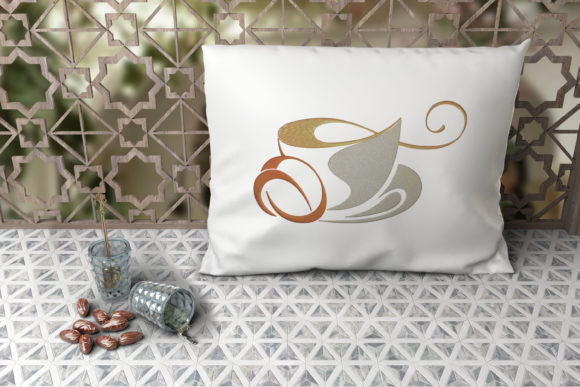
- Pillow Covers: Home decor items command higher prices. A Mother s Day pillow cover feels personal and thoughtful. However, ensure the design does not overwhelm the fabric texture. Soft cottons or linens work best to complement the thread sheen.
Photography and Online Presentation
For Etsy sellers and those using printable mockups, the design must photograph well. Natural light highlights the texture of the stitches. When creating listing images, consider how the thread colors contrast against the background fabric. High-contrast combinations tend to perform better in thumbnail views on social media and marketplaces. Avoid low-contrast pairings that might cause the design to disappear in small image previews.
Production Practicality and Quality Control
From a production standpoint, efficiency is key. To maximize profit margins at a craft fair, you need to produce items consistently and quickly. Evaluate the stitch density of the Mother s Day design. Excessively dense areas can lead to long hooping times, increased needle breakage, and potential fabric distortion. Look for smooth transitions between colors and avoid unnecessary jump stitches that require tedious trimming.
Consider the hoop size limitations. If the design is large, it may require multiple hoops, which increases labor time. Ideally, the design should fit within a single common hoop size (such as 5x7 or 6x10 inches) to streamline workflow. Test the design on scrap fabric before committing to expensive materials. This step allows you to adjust thread tension, select the appropriate stabilizer, and identify any potential issues with registration or alignment.
Material Considerations
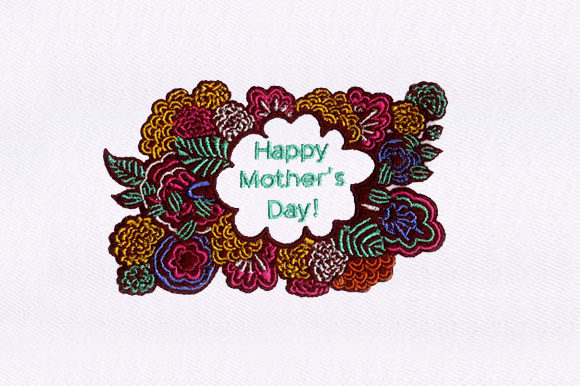
Different fabrics react differently to embroidery. Thick denim may require a cut-away stabilizer for durability, while delicate silks need a tear-away or wash-away option to prevent bulk. Be cautious with textured towels or nubby fabrics, as they can obscure fine details. If the Mother s Day design includes small lettering or intricate floral elements, these features may get lost on rougher textures. Always inspect the final product under good lighting to ensure all details are crisp and clear.
Strategic Selling Points
When marketing this design, emphasize the handmade quality and personal touch. Customers at craft fairs are looking for uniqueness. Highlight how each piece is crafted with care. Use terms like commercial embroidery and handmade product to reinforce the value proposition. For small shop owners, this design can serve as a reliable bestseller during the spring season.
Additionally, consider bundling options. Pair a Mother s Day apron with a matching tea towel or create a gift set including a tote bag and a small pouch. Bundles increase perceived value and can help move inventory faster. For digital sellers, offering the digital embroidery file alongside physical products can attract hobbyists who wish to create their own gifts, expanding your reach into the DIY community.
Final Designer Notes
Before adding the Mother s Day design to your production lineup, take these final steps:
- Test Run: Stitch the design on various fabric types to see how it behaves.
- Check Formats: Verify that the included formats (such as PES, DST, JEF, etc.) match your machine requirements.
- Review Licensing: Confirm commercial licensing rights before selling finished goods.
- Create Mockups: Produce at least one real-world sample to use for photography and booth display.
- Inspect Details: Zoom in on the digitized file to check for tiny details that might not render well in thread.
In conclusion, the Mother s Day embroidery design holds strong potential for craft fair success if executed with attention to detail and material compatibility. By focusing on versatile applications, clear visuals, and efficient production methods, you can create compelling crafter fair products that resonate with buyers. Remember, the goal is to create items that customers feel proud to give and receive, making every stitch count toward building a loyal customer base.