Cup of Coffee Embroidery Design Review
As a designer who spends half my day staring at stitch density charts and the other half trying to convince clients that "handmade" justifies the price tag, I approach every new embroidery file with a healthy dose of skepticism. We have all downloaded designs that looked beautiful in the digital preview but turned into a tangled mess on the hoop. That is why I take the time to evaluate these assets before they ever touch my machine or my customers’ garments. Today, I am putting Cup of Coffee through its paces. This is not just about whether it stitches out; it is about whether it sells, whether it holds up, and whether it brings that warm, inviting aesthetic that defines successful home goods and apparel.
First Impressions: The Mood and Visual Personality
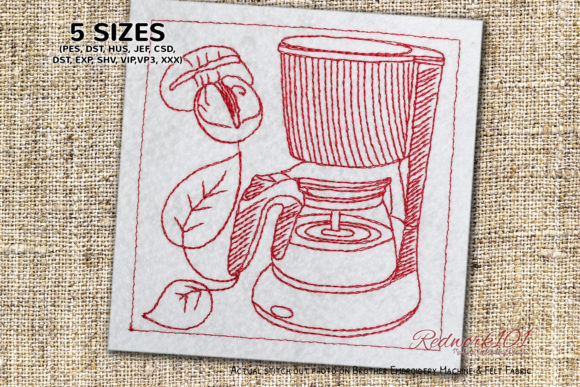
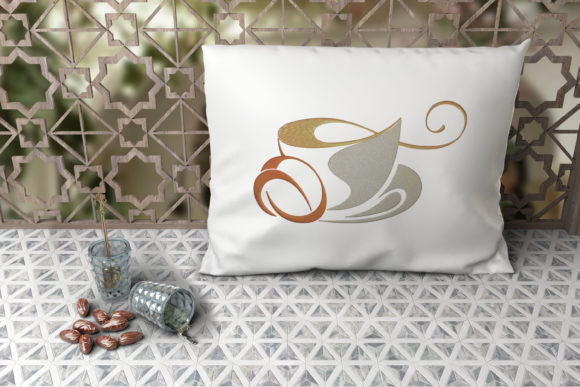
The moment you load the Cup of Coffee embroidery design into your digitizing software, the intent is clear. It is not abstract art, nor is it overly complex streetwear graphics. It is cozy. It is nostalgic. In the world of handmade products, nostalgia is a currency, and this design spends it wisely. The visual personality suggests morning routines, quiet Sundays, and slow living. For an Etsy seller or a boutique owner, this translates directly to emotional engagement. When a customer sees a coffee cup motif on a kitchen towel or a baby onesie, they are not just buying fabric; they are buying a feeling.
The layout feels balanced, which is crucial for versatility. A design that is too wide might get lost on a small tote bag, while one that is too tall might look awkward centered on a sweatshirt chest. Cup of Coffee strikes a middle ground that allows it to adapt to various product types without needing excessive resizing. The digitization appears clean, suggesting that the stitch density has been thoughtfully managed to prevent puckering, a common issue with fill-heavy designs on lightweight fabrics.
Real-World Application: Where This Design Shines
I believe the true test of an embroidery file is how it performs in real-life scenarios. Let’s imagine we are preparing inventory for a holiday craft fair or updating our online shop for the autumn season. Here is where Cup of Coffee naturally fits into a commercial strategy.
- Kitchen Textiles: This is perhaps the strongest use case. Embroidering this onto a flour sack towel or a thick cotton tea towel creates an immediate handmade product appeal. The theme aligns perfectly with the item’s function. Customers love seeing a coffee cup motif on something used for coffee preparation—it adds a layer of thoughtful detail that mass-produced items lack.
- Custom Apparel and Sweatshirts: For fall and winter collections, this design works beautifully as a left-chest logo or a larger center-front placement on heavyweight cotton blends. It pairs exceptionally well with earth tones like olive green, mustard yellow, or cream. On a sweatshirt embroidery project, the warmth of the image complements the comfort of the garment.
- Baby and Nursery Items: There is a surprising demand for "parent-friendly" baby gear. While a coffee cup might seem odd for a newborn, it resonates deeply with parents who need their caffeine. Placing this on a burp cloth set, a nursing cover, or a nursery wall hanging taps into the reality of parenthood. It serves as a personalized gift that acknowledges the parent’s needs alongside the baby’s.
- Tote Bags and Aprons: For the creative entrepreneur, this design is perfect for branding. Imagine a canvas tote bag design embroidered with this motif, sold alongside local roasted beans or baking supplies. It reinforces a lifestyle brand identity. Similarly, on a chef’s apron, it adds a touch of humor and personality to professional wear.
Technical Considerations and Fabric Compatibility
While the aesthetic is strong, any experienced embroiderer knows that aesthetics mean nothing if the stitch quality fails. When evaluating Cup of Coffee, we must consider the technical execution. Since the description notes it is digitized by hand with available sizes, we can assume a level of care in the digitizing process. However, several factors require attention during production.
Stabilizer Selection: The choice of stabilizer will dictate the final look. For woven fabrics like linen or cotton towels, a cut-away stabilizer is non-negotiable to maintain structure over time. For stretchy knits used in custom apparel, a tear-away or wash-away backing might be preferred for softness, provided the design does not have excessive tension. Always test on scrap fabric first to ensure the stabilizer matches the fabric’s drape.
Fabric Texture and Color: This design relies on contrast. On dark fabrics, you will need bright or metallic thread colors to make the cup stand out. On light fabrics, darker threads provide definition. Be cautious with textured fabrics like bouclé or heavy fleece; the needle may struggle to penetrate evenly, leading to skipped stitches. Furthermore, avoid using this design on thin, sheer fabrics without proper backing, as the fill stitch areas could pull the material into an unsightly shape.
Hoop Size and Placement: Ensure the chosen size variant fits comfortably within your standard hoop dimensions. If you are working on curved surfaces like caps or hats, remember that flat digitizing can distort on a curve. You may need to adjust the hooping technique or use a specialized cap frame to keep the design taut and circular.
Design Clarity and Detail Level
One area to scrutinize is the smaller details. Does the handle of the cup have enough definition? Are the steam lines distinct, or do they merge into a blob? In high-quality machine embroidery design, fine lines should be executed with precision, often using satin stitches or careful running stitches. If the design includes text or tiny decorative accents, verify that they remain legible after stitching. Blurry details can make a finished product look cheap, undermining the value proposition for your buyer.
Commercial Viability and Branding
For the Etsy seller or small shop product creator, licensing and usage rights are paramount. Before listing this as a commercial embroidery asset or selling finished items, confirm the license terms. Some designers allow unlimited personal and commercial use, while others restrict the number of units sold. Clear communication here protects your business from legal issues.
From a marketing perspective, Cup of Coffee offers excellent opportunities for printable mockups. Because the theme is universal, you can showcase it on a variety of backgrounds—wooden tables, marble counters, or cozy blankets—to create aspirational imagery for your social media. This helps potential buyers visualize the item in their own homes, increasing conversion rates. It also fits seamlessly into seasonal campaigns, such as "Morning Routine Essentials" or "Gifts for the Coffee Lover."
Final Verdict
After reviewing the visual appeal, technical requirements, and market fit, Cup of Coffee emerges as a versatile and emotionally resonant addition to any embroiderer’s library. It is not merely a decorative element; it is a storytelling tool that connects with customers on a personal level. Whether you are creating a personalized gift for a friend or building a robust line of craft business merchandise, this design delivers on both style and substance.
My advice is to treat it as a foundational piece. Test it across different fabrics, experiment with thread color combinations, and observe how your audience responds. If you prioritize quality control and thoughtful presentation, this embroidery project will likely become a staple in your repertoire. Remember, the best designs are not just those that stitch well, but those that evoke a reaction. Cup of Coffee certainly succeeds in doing just that.