★★★☆☆3.5(304 reviews)
African Design Pattern Lineart Review for Small Business Merch
First Impressions: A Bold Yet Versatile Embroidery File
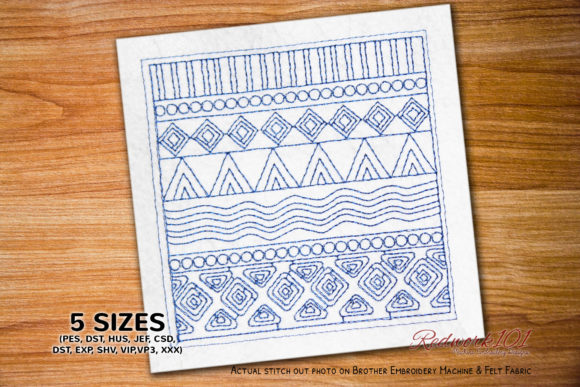
As an experienced embroidery designer, the first thing that stands out about African Design Pattern Lineart is its strong visual character. The title and description suggest a design rooted in cultural inspiration, with a clean line-art aesthetic that feels both handmade and professional. This kind of design can be tricky to use in commercial contexts—too ornate and it risks being lost on fabric, too simple and it may lack impact.Real-World Applications for Branded Merchandise
The versatility of African Design Pattern Lineart makes it suitable for various business applications. Here are some practical uses I’ve considered:- Embroidered Patches: The pattern works well as a patch for tote bags, jackets, or aprons. Its line-art style gives a subtle yet eye-catching detail that complements minimalist branding.
- Chest Logo Accent: When used as a secondary design element beside a main logo, it adds texture and depth without overshadowing the core brand message.
- Sleeve Detail: Incorporating the pattern along the sleeve of a work shirt or boutique apparel offers a stylish way to elevate the overall look subtly.
- Cap Embroidery: The pattern can serve as a back panel design or a side accent on caps. However, due to stitch density and placement, careful scaling is essential.
- Tote Bag Markers: On larger surfaces like tote bags, the pattern can be used as a background or border, especially when paired with bold text or logos.
- Apron Embroidery: For café aprons or bakery uniforms, the design brings a warm, earthy feel that aligns with artisanal and handmade product aesthetics.
- Product Packaging Accents: If printed or digitally transferred alongside embroidery, the pattern can help unify your brand across multiple platforms.
- Boutique Merchandise: Whether on custom T-shirts or linen sacks, the design adds a unique visual identity that appeals to conscious consumers.
- Customer Gifts & Event Merch: As part of limited-edition items or giveaways, the pattern helps create a memorable and cohesive brand experience.
- Etsy Branding & Craft Business Assets: The line-art style fits beautifully into handmade product packaging or embroidered tags for craft items, enhancing perceived value and visual consistency.
- Printable Mockups: For digital storefronts or online sales, using this design in mockups allows customers to visualize how it will appear on finished products before purchase.
- Commercial Embroidery Projects: The pattern can be adapted into larger-scale designs for uniforms, promotional gear, or even signage with the right layout planning.
Where to Use It Carefully
While African Design Pattern Lineart has broad appeal, there are several areas where you should approach it with caution to avoid issues during production:- Small Patch Sizes: At under 3 inches, the pattern might become too busy or lose its definition. Always test at scale before finalizing.
- Cap Fronts: Unless simplified significantly, the pattern may overwhelm the front of a cap. Consider using it as a back panel or side band instead.
- Curved Surfaces: Hooping and tension adjustments are critical. Curves may distort if not properly stabilized or adjusted in the digital embroidery file.
- Tiny Lettering: If the design includes any text elements, ensure they’re large enough to remain legible after stitching.
- High Stitch Density: Depending on how the pattern is stitched, it could lead to puckering or stiffness, especially on delicate fabrics.
- Detailed Outlines: The optional box stitch mentioned in the description can either enhance or distract. Make sure the outlines don’t clash with other design elements.
- Textured Fabric: The intricate lines might not translate clearly on materials like denim or canvas unless tested beforehand.
- Dark Uniforms: Thread color contrast becomes crucial here. Light thread colors may fade or blend into darker backgrounds.
- Items That Need Frequent Washing: High-density embroidery can affect durability over time. Choose stable thread types and reinforce key areas if necessary.
Impact on Brand Identity and Customer Perception
One of the biggest considerations when choosing an embroidery design is how it reflects your brand identity. African Design Pattern Lineart conveys a sense of tradition, creativity, and natural beauty. These traits can resonate particularly well with brands focused on sustainability, cultural appreciation, or artisanal craftsmanship.- Enhance customer trust by showcasing attention to detail and quality.
- Boost brand recognition through consistent visual elements across all small business merch.
- Contribute to a premium look, especially when paired with high-quality threads and fabrics.
- Increase visual consistency by acting as a repeating motif in your design assets.
- Improve product value perception by adding a unique, handcrafted feel to your custom apparel and accessories.
- Encourage buyer engagement through visually appealing and culturally inspired presentation.
Designer Notes: Practical Tips Before Production
Before committing to using African Design Pattern Lineart in a commercial setting, keep these tips in mind:- Test in Black and White First: Confirm how the pattern looks without color. This helps evaluate contrast and clarity.
- Check Small Patch Size Performance: Resize the design to common patch dimensions (e.g., 2–4 inches) and see if it remains legible and attractive.
- Review Thread Color Contrast: Especially on dark garments, ensure the chosen thread color stands out effectively.
- Inspect Spacing and Layout: Avoid overcrowding stitches, which can cause puckering or uneven tension.
- Confirm Hoop Size Requirements: Since hoop size isn't specified in the product details, verify compatibility with your equipment.
- Test on Real Fabric: Never rely solely on software previews—stitch it on the actual material you plan to use.
- Use Proper Stabilizer: Given the potential for high stitch density, choose the right stabilizer to prevent distortion.
- Create a Printable Mockup: Show clients how the design will look on the final product before approving full production.
- Compare With Other Design Assets: Ensure the pattern harmonizes with your existing logo, fonts, and color palette.
- Confirm Commercial Licensing: Always check licensing terms before using any machine embroidery design for business purposes.
Final Thoughts: A Thoughtful Addition to Your Design Kit
In summary, African Design Pattern Lineart is a valuable asset for small businesses aiming to differentiate their custom apparel and product labels. Its embroidery file format opens up creative possibilities across a range of materials and placements—from tote bags to caps, from aprons to patches. It’s a design that invites intentionality. Used thoughtfully, it can add a layer of sophistication and cultural resonance to your small business merch. But used carelessly, it may become a liability in terms of clarity and durability. For those who value a handmade product aesthetic with a touch of global influence, African Design Pattern Lineart could be the perfect addition to your design assets. Just remember: great embroidery is about more than the design—it's about execution, purpose, and perception.
⬇️ Download Free
Free download · No sign-up required
🔗 You Might Also Like
Africa
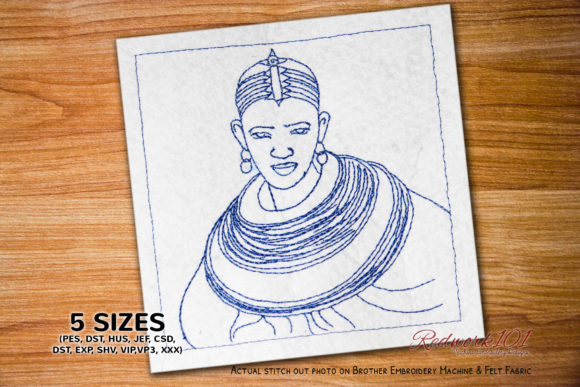
First Impressions of Native African Redwork As an experienced embroidery designe...
Africa
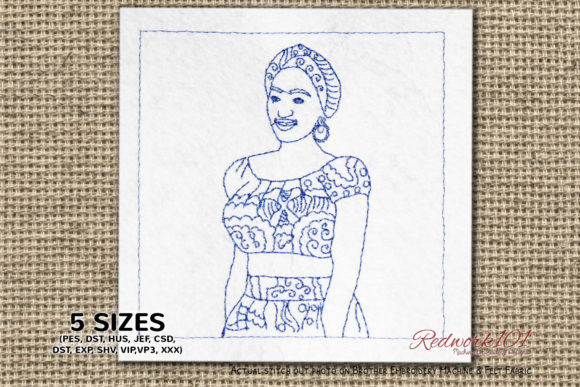
First Impressions of African Girl Lineart As an experienced embroidery seller wi...
Backgrounds
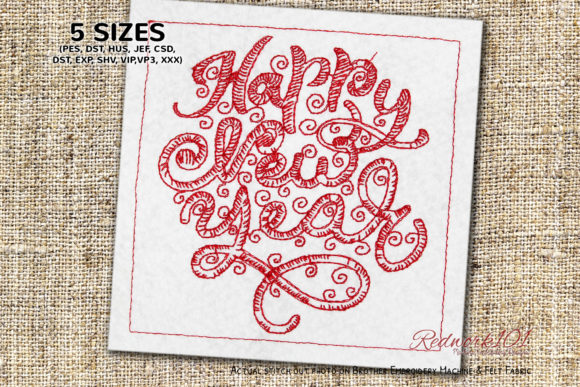
First Impressions: A Versatile and Festive Embroidery Asset As an experienced em...
Religion
Walking up to a craft fair booth, the first few seconds are everything. As an em...
Food
First Impressions and Seasonal Mood As a seasoned embroidery designer, the first...
