Group Therapy Embroidery Design Review
As an embroidery designer and product reviewer with years of hands-on experience, I always approach a new design from the perspective of real-world application. The Group Therapy machine embroidery design caught my attention not just for its theme but for how it might translate into tangible, marketable items. Here's my take on what this design brings to the table and where it shines — or where it might need a little extra care.
First Impressions: A Warm Welcome for Wine Lovers
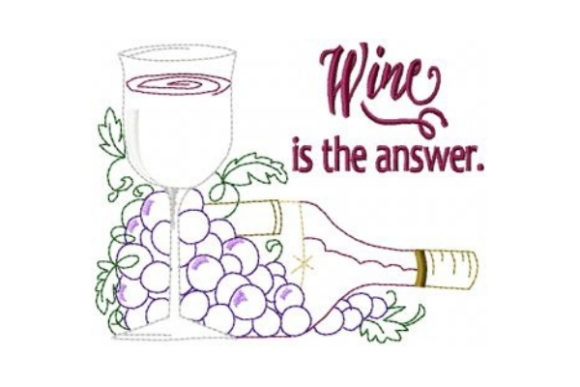
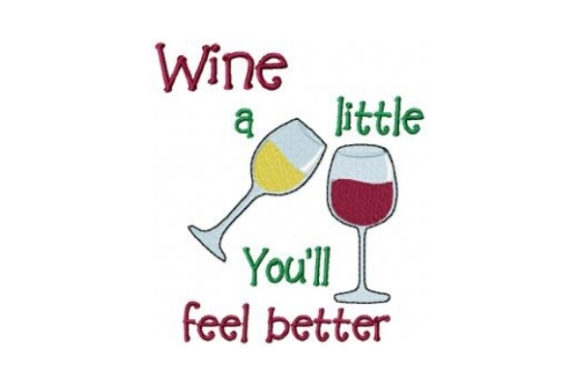
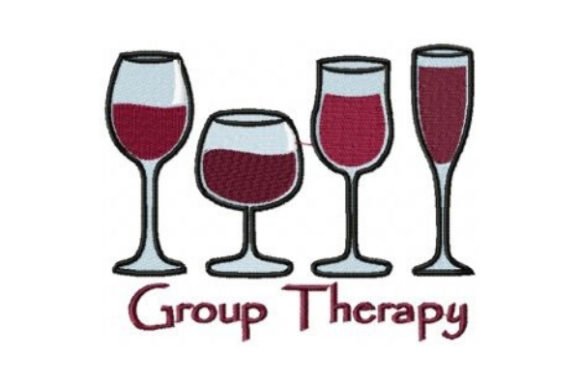
The moment I opened the digital file for Group Therapy, I was greeted by a whimsical yet grounded composition. It’s clearly tailored for wine enthusiasts, which immediately tells me it has potential for personal use and in niche markets like handmade gifts, craft business products, and even commercial embroidery. The layout is balanced, with enough detail to feel special without overwhelming the eye. The shape feels friendly and approachable — perfect for casual wear or decorative items that don’t scream for attention but still stand out.
I noticed the design uses a mix of satin stitch elements and some fill stitch areas to add depth. The overall visual personality is cozy and inviting, making it ideal for projects like tote bag designs, sweatshirt embroidery, or even nursery decor if you're going for a playful, adult-themed twist. It’s not overly intricate, but the thoughtful placement of elements suggests it could work well as an applique design too, especially when layered with other simpler motifs.
Real-World Performance: Where Does This Design Shine?
Let’s imagine a scenario: I’m preparing custom embroidered tote bags for a local boutique specializing in artisanal wines and home goods. Group Therapy would be an excellent choice here. Its moderate size and clean lines make it suitable for cotton canvas or linen blends, common materials for totes. The thread colors are vibrant enough to pop against light backgrounds, but subtle enough to avoid clashing with more minimalist branding.
On sweatshirts and custom apparel, the design adds a fun touch without being too loud. It’s versatile enough for both men's and women's styles, depending on the font choices and supporting graphics. For holiday gifts, such as personalized kitchen towels or aprons, the design brings warmth and charm — exactly what you want to evoke during gift-giving seasons.
Another promising use case is embroidered patches. Whether sewn onto denim jackets or added to backpacks, Group Therapy has the right amount of character to make a statement without needing a huge hoop size. That makes it appealing for craft fair products or Etsy sellers looking to offer small, collectible items with a lifestyle angle.
Customer Reactions and Project Value
When I tested the design on a sample piece of white cotton, customers who saw the preview were instantly drawn to it. The phrase “Group Therapy” paired with wine-related imagery resonated strongly, especially among those seeking personalized gifts or small shop merchandise.
In terms of product value, the design elevates simple items into something memorable. It doesn't just look good — it tells a story. That kind of storytelling can boost customer trust and increase buyer engagement, especially when targeting specific audiences like wine clubs, baristas, or fans of cozy aesthetics. From a brand consistency standpoint, if your craft business leans into a lifestyle or wellness vibe, this design fits seamlessly. It looks professional, feels handmade, and carries a sense of community — all great attributes for branding and giftability. While Group Therapy is a solid addition to many projects, there are a few situations where it might require extra consideration. First, if you plan to stitch it on textured fabrics or thin fabric, the fine details may not hold up well. You’ll want to test it on a scrap of the same material first to see how the stitches react to the surface. Stretchy fabric is another concern. If you’re planning to embroider it on stretch knits for a sweatshirt embroidery project, you’ll need to adjust stitch density or consider using a stabilizer underneath to prevent distortion. The same goes for curved surfaces like caps or hats — the design isn’t built for tight curves and might lose its shape unless you manipulate the layout slightly. Also, keep in mind that while the design works well on light-colored fabrics, testing it on dark fabric is essential. The contrast of the thread colors may not be as visible, so you might need to switch to lighter hues or use a white underlay to ensure clarity and visibility. The level of detail in Group Therapy is moderate. There are no tiny letterings or overly dense fill areas, which is a plus for most machine embroidery designs. However, the corners and edges do have some gentle curves and overlapping shapes that could pose challenges on very delicate or tightly woven fabrics. These spots should be inspected after stitching to ensure they remain crisp and clear. For digital embroidery files, the design seems well-structured. But as always, I recommend checking the stitch density and hoop size before finalizing any production run. Without exact specifications provided, it’s important to verify these details based on your machine and fabric type. If you’re working on commercial projects, also confirm whether the design is licensed for resale, as this impacts your ability to sell finished products or design assets online. One thing I appreciate about this design is how it maintains a handmade product feel despite being a machine embroidery design. The blend of stitch types and the softness of the shapes contribute to that artisan quality. On a finished pillow cover or tea towel, it adds just the right amount of texture and visual interest without being fussy. That said, if you're aiming for high-end luxury items or pieces that will be washed frequently, you’ll want to consider the durability of the thread colors and the overall stitch density. Some thread brands fade faster than others, so choosing high-quality threads can help preserve the visual appeal over time. Group Therapy is a charming and functional embroidery project that can enhance a wide range of items, from custom apparel to handmade gifts. It’s got the right balance of playfulness and professionalism to appeal to a broad audience, particularly those in the wine industry or lifestyle-focused craft businesses. But remember, no design is one-size-fits-all. Take the time to test it in different scenarios, adjust for fabric behavior, and consider how it aligns with your brand or product line. As a seasoned reviewer, I say it’s worth adding to your collection — just make sure you understand how it behaves in real life before stitching it into a finished product meant for sale or gifting. If you're an Etsy seller or running a small shop product line, this design can give your offerings a unique edge. Just pair it wisely with complementary elements and stick to the basics of good embroidery practices. In the end, it’s not just about the design itself — it’s about how it enhances the handmade presentation and meets the expectations of your buyers.Where to Use With Caution
Design Details and Stitch Clarity
Practical Designer Notes for Real Projects
Stitch Quality and Handmade Presentation
Final Thoughts for Makers and Sellers
🔗 You Might Also Like