Guava with Green Leaf Embroidery Review
As an embroidery designer who spends hours testing stitch quality, density, and visual impact on various fabrics, I approach every new download from Creative Fabrica with a critical eye. We are not just looking for pretty pictures; we are looking for designs that translate beautifully into physical products, withstand the rigors of commercial use, and delight our customers. Recently, I reviewed the Guava with Green Leaf design to see if it had the potential to become a staple in my collection for handmade gifts and custom apparel.
This review is based on evaluating the design as a real-world asset for small business owners, Etsy sellers, and crafters. Here is my honest assessment of whether this food-themed embroidery file belongs in your project workflow.
First Impressions and Visual Appeal
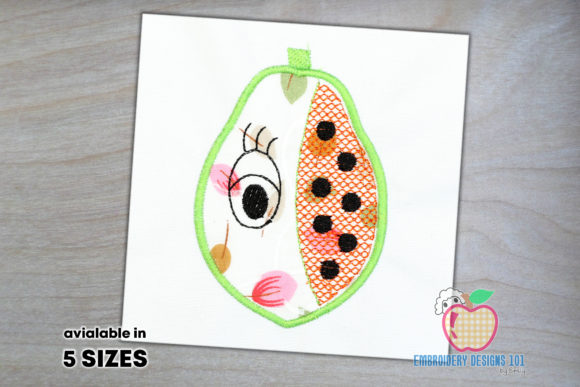
The moment you open the Guava with Green Leaf design, the first thing that strikes you is its vibrant, fresh aesthetic. The color palette is naturally inviting, featuring the soft pinks and deep reds of the fruit contrasted against lush green foliage. For designers creating seasonal collections or adding a pop of color to neutral garments, this stands out immediately.
Visually, the design feels balanced. It does not look cluttered, which is a common issue with complex fruit motifs. Instead, it has a clean, modern look that works well for both minimalist branding and playful, decorative items. The inclusion of the leaf adds a necessary organic touch, grounding the fruit element and making it feel like a complete botanical illustration rather than just a floating object. This kind of cohesive composition is essential when you want your finished product to look professionally designed.
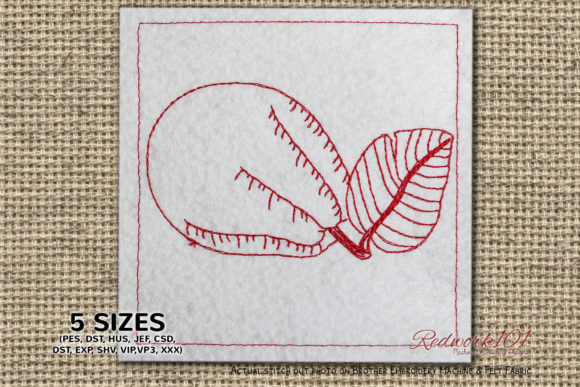
The optional box stitch mentioned in the product description offers versatility. Depending on your target market, you can choose to include this geometric element for a more structured, perhaps retro-inspired look, or skip it entirely for a purely organic, natural vibe. This flexibility is a significant plus for designers who need to adapt a single asset to multiple brand styles.
Performance in Real Embroidery Projects
How does a digital preview translate to the hoop? When considering Guava with Green Leaf for actual production, several factors come into play. I evaluated how this design might perform on different substrates commonly used by creative entrepreneurs.
- Tote Bags and Canvas: This design shines on natural canvas or cotton tote bags. The bright thread colors will pop against the beige or white fabric, making it an excellent choice for summer markets or eco-friendly branding. The size appears suitable for standard tote placements without overwhelming the bag’s surface area.
- Kitchen Towels and Aprons: Given its food category classification, this design is practically made for kitchen textiles. On a crisp white kitchen towel, the guava motif adds a cheerful, homey touch that appeals to buyers looking for personalized gifts. It fits the "cottagecore" or modern farmhouse aesthetic that remains popular in home decor.
- Baby Items: The soft tones make this a strong candidate for baby blankets or burp cloths. Parents often seek gentle, nature-inspired themes for nursery decor. If the stitch density is moderate, it would be comfortable against sensitive skin, provided the backing stabilizer is removed properly after stitching.
- Caps and Hats: Placing this on a curved cap surface requires careful digitizing awareness. If the design has a wide footprint, it might distort on a baseball cap’s front panel. However, if scaled down appropriately, it could work well as a side patch or a smaller chest logo.
For those selling custom apparel, such as sweatshirts or t-shirts, this design offers a nice alternative to text-heavy graphics. It provides visual interest without being too loud. It pairs exceptionally well with solid-colored garments, allowing the embroidery itself to be the focal point.
Practical Considerations for Production
Before committing to large-scale production, there are practical steps every designer should take. The Guava with Green Leaf design includes specific elements that require attention during the setup phase.
First, always test on scrap fabric. Even if the file looks perfect on screen, the way threads lay on knit versus woven fabric can vary significantly. Check the stitch density closely. Dense areas can cause puckering, especially on lightweight materials like jersey or thin cotton. If you notice excessive bulk, consider using a cut-away stabilizer for better support.
Pay close attention to the color instructions. The product notes indicate that the outer box color may differ in most designs unless it is part of the core design itself. This means you must verify the thread colors in your machine before starting. Mismatching thread shades can ruin the professional look of the final piece. If the box is optional, decide early on whether it aligns with your brand’s visual identity.
Another critical check is the hoop size. Ensure the design dimensions fit comfortably within your machine’s maximum hoop capacity while leaving enough margin for accurate placement. If you are planning to embroider this on a tote bag design or a sweatshirt embroidery project, remember that larger items may shift during stitching, leading to misalignment. Using a hooping aid or adhesive spray can help secure the fabric.
Impact on Product Value and Branding
In the world of handmade goods, presentation is everything. A high-quality embroidery file directly influences buyer trust and perceived value. Using a well-executed design like Guava with Green Leaf signals to your customers that you care about detail and quality.
When you create a personalized gift or a handmade product with this motif, you are offering more than just a functional item; you are offering a piece of art. The freshness of the guava theme suggests health, vitality, and natural beauty, which can resonate strongly with consumers who appreciate organic aesthetics. This emotional connection can lead to higher engagement on social media platforms, where visually appealing photos drive sales.
Furthermore, incorporating this design into your digital embroidery file library allows for diverse marketing opportunities. You can create printable mockups showing the design on various products, giving potential buyers a clear idea of what they are purchasing. This transparency reduces return rates and increases customer satisfaction.
Licensing and Commercial Use
One of the most important aspects for any seller is understanding the license terms. Always review the licensing details on the Creative Fabrica embroidery product page before selling finished items. Some files allow unlimited commercial use, while others may have restrictions on the number of units sold or require attribution. Confirming these details upfront protects your business from legal issues and ensures you can scale your operations confidently.
Additionally, inspect small details after stitching. Tiny running stitches or delicate satin edges can sometimes get lost if the tension is off or if the needle is dull. A quick inspection ensures that every embroidered patch or kitchen towel meets your quality standards before it reaches the customer.
Final Thoughts
The Guava with Green Leaf design is a versatile and attractive addition to any embroidery designer’s toolkit. Its vibrant colors and balanced composition make it suitable for a wide range of projects, from casual apparel decorators needs to specialized nursery decor. While it is crucial to test each design on your specific equipment and materials, this file shows strong potential for creating beautiful, marketable products.
Whether you are looking to refresh your Etsy listings, add a unique touch to craft fair products, or simply expand your design assets, this guava motif is worth considering. It embodies the spirit of handmade craftsmanship while offering the convenience of digital efficiency. By paying attention to the practical tips outlined above, you can ensure that your finished products reflect the highest level of quality and artistry.