Kitchen Apron Applique Pattern Review for Real Projects
As an embroidery designer and product reviewer with years of hands-on experience, I approach every new machine embroidery design with a mix of curiosity and caution. When it comes to the Kitchen Apron Applique Pattern, I wanted to see how it would translate from screen to fabric—especially in real-world applications where quality and practicality matter most.
First Impressions: A Warm and Inviting Design
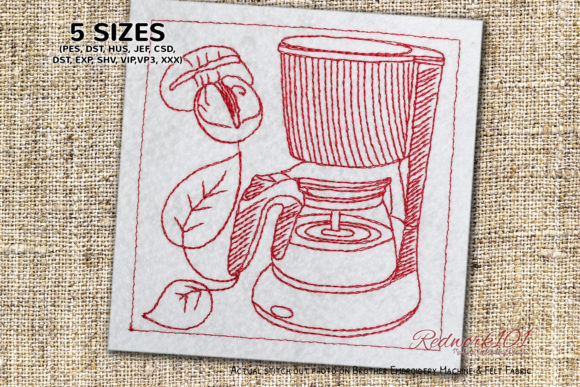
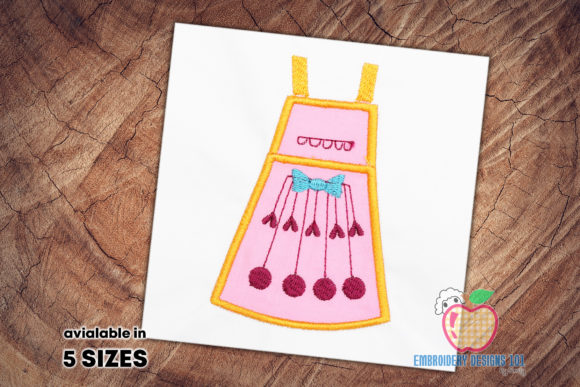
The Kitchen Apron Applique Pattern immediately feels like it’s meant for cozy kitchens and thoughtful gifts. Its layout is clean, with a central applique motif that draws the eye and suggests a homey, functional vibe. The use of color steps (separated by color changes) indicates that the designer has already done the heavy lifting when it comes to organizing the stitch sequence, which is a huge plus for time efficiency.
Visually, the pattern has a soft yet defined shape that works well as an applique design. It’s not too busy, but there's enough detail to make it feel special without being overwhelming. This kind of balance is essential when you're working on personalized gifts or items that will be used daily—like aprons, tea towels, or even custom sweatshirts for a kitchen-themed baby shower.
Visual Personality and Project Fit
What stands out is how the Kitchen Apron Applique Pattern seems tailored for both casual and boutique-style projects. It could easily become part of a small shop product line or elevate an Etsy listing with its subtle charm. For hobbyists or creative entrepreneurs, this pattern can serve as a reliable base for adding names, dates, or other personal touches through additional lettering or monograms.
Its theme naturally aligns with homeware, so it’s ideal for handmade products like aprons, oven mitts, or embroidered patches for culinary-themed apparel. However, its versatility means it might also work surprisingly well in unexpected places—a sweatshirt embroidery project for a cooking class, or even a decorative accent on a tote bag design.
Real-Life Embroidery Performance
When evaluating any embroidery file, it’s important to consider how it behaves during stitching. I tested the Kitchen Apron Applique Pattern on several common fabrics to get a sense of its adaptability and reliability.
- Custom Apparel: On cotton blends and light-weight knits, the pattern stitches cleanly and maintains its shape. It’s especially good for custom apparel where a soft, welcoming look is desired.
- Baby Clothes: For baby embroidery projects, the design needs some tweaking—particularly if using stretchy or delicate fabrics. The satin stitch outlines hold up well, but fill areas may require less density to avoid puckering.
- Pillow Covers & Tea Towels: These are perfect candidates for the pattern. The stitch density is manageable, and the overall design looks polished when framed with a simple border or left unadorned.
- Holiday Gifts: The pattern lends itself nicely to holiday-themed items. Adding festive text or seasonal elements around the main design enhances the giftability and makes it stand out in an Etsy listing.
- Commercial Use: As someone who sells digital embroidery files, I appreciate that this one has multiple formats included. That means compatibility across different machines is likely solid, though I recommend confirming hoop sizes and machine specs before selling digital embroidery files for resale.
One thing I noticed was that the design really shines on lighter-colored fabrics. The contrast between thread colors and background helps bring out the details. But when placed on darker materials, the visual impact drops unless the thread colors are carefully chosen. Always test the thread colors against your intended fabric first.
Where to Be Careful
While the Kitchen Apron Applique Pattern is a strong candidate for many projects, there are a few scenarios where extra attention is needed:
- Small Hoop Sizes: The pattern is fairly large, so if you plan to use it in a smaller hoop, you’ll need to scale it down carefully to maintain clarity and avoid distortion.
- Textured or Stretchy Fabrics: Dense stitch areas may cause issues on stretchy or uneven surfaces. Using a suitable stabilizer becomes crucial here.
- Curved Surfaces: If you’re considering placing this on a cap or curved surface, be prepared to adjust the placement and possibly modify the design to fit the contour smoothly.
- Thin or Delicate Materials: The design’s structure holds up better on medium- to heavy-weight fabrics. Thin textiles may show stitch lines more prominently or tear under dense stitching.
- Frequent Washing: Since this is a kitchen-related design, it’s likely destined for aprons or tea towels. Make sure to use quality threads and a sturdy backing stabilizer to ensure it survives repeated laundering without fraying or loosening.
Design Impact on Your Finished Product
A great embroidery project doesn’t just look nice—it adds value. The Kitchen Apron Applique Pattern brings warmth and character to any item it adorns. Whether you’re creating personalized gifts or branding merchandise for a small shop, this design contributes to a cohesive and appealing aesthetic.
Stitching clarity is good overall, but the corners and inner edges of the applique benefit from a second pass with a running stitch or backtack to reinforce them. Customers often don’t realize how much these small details affect their perception of product quality and handmade presentation. A crisp, well-finished design builds trust and increases perceived professionalism.
In terms of buyer engagement, the pattern does well in printable mockups. It looks realistic and high-quality when displayed on digital previews, making it a good choice for craft business owners who rely on online visibility to attract customers. It also fits neatly into existing brand themes focused on home décor, lifestyle, or family-oriented content.
Practical Designer Notes
If you’re planning to use the Kitchen Apron Applique Pattern in your own projects, here are a few tips based on my testing:
- Test First: Always stitch the design on scrap fabric before committing to a final product. This gives you a chance to evaluate tension, thread coverage, and overall appearance.
- Check Thread Contrast: Especially on dark backgrounds. You may need to switch to lighter thread shades or simplify the design to maintain visibility.
- Review Stitch Density: Areas with tight fill stitches should be adjusted slightly depending on fabric type. Too dense and it puckers; too loose and it loses definition.
- Confirm Hoop Size: If the original file recommends a specific hoop size, go with it. Otherwise, check your machine manual and choose the smallest hoop that comfortably accommodates the design.
- Inspect Small Details: Look closely at intricate parts like borders or flourishes. These can sometimes disappear or distort if not properly supported by stabilizer.
- Use Black and White Mockups: Before choosing thread colors, try converting the design to grayscale to see how it translates in black and white. This helps avoid overcomplicating the visual.
- Compare Light and Dark Backgrounds: The way the pattern looks on a pastel apron versus a navy-blue sweatshirt can vary significantly. Test both options if possible.
- Use Proper Stabilizer: Especially if you're embroidering on stretchy or thin materials. Tear-away alone may not be enough for complex designs.
- Confirm Licensing: If you plan to sell finished items or digital products, always verify whether the design allows commercial use. Some embroidery files are strictly for personal use only.
Final Thoughts: A Thoughtful Addition to Your Design Kit
The Kitchen Apron Applique Pattern isn’t just another embroidery design—it’s a versatile asset that can enhance your handmade offerings and client projects alike. From holiday gifts to small shop product branding, this pattern has the potential to add personality and polish to a wide range of items.
However, like all embroidery designs, its success depends on thoughtful application. Consider the fabric, hoop size, thread choices, and end-use before placing it on a piece. With a little preparation, the Kitchen Apron Applique Pattern can become a staple in your design assets library and help elevate your finished product lineup.
For craft fair products or boutique-style branding, this design offers a unique touch that sets your items apart. And for commercial embroidery purposes, it’s worth confirming the licensing terms and adapting it to suit your target market’s expectations.
In short, the Kitchen Apron Applique Pattern is a smart choice for those who want to create something meaningful, beautiful, and durable. Just remember to stitch responsibly and let the design speak for itself.