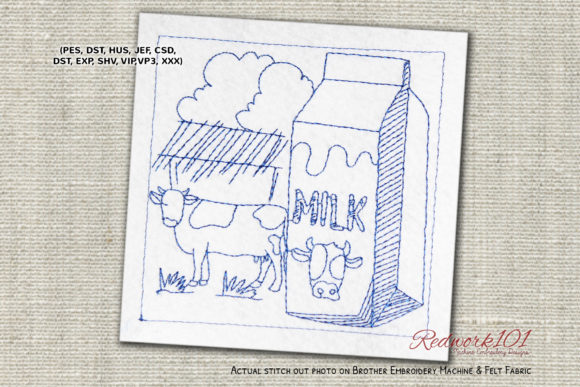
Milk with Cow Machine Embroidery Review
As a designer who spends more time than I care to admit staring at stitch density charts and testing thread tensions, I don’t just look for "pretty" designs. I look for viability. Can this design hold up in the real world? Will it translate well from the screen to the fabric? Today, I’m breaking down Milk with Cow Machine, an embroidery file that promises a rustic, charming aesthetic. But does it deliver on execution? Let’s dig into how this design performs when you move it from your hoop to a finished product.
First Impressions: The Mood and Visual Personality
When you first open the file for Milk with Cow Machine, the immediate takeaway is its strong narrative appeal. It isn’t just a random collection of shapes; it tells a story of pastoral simplicity. The central figure—the cow—anchors the composition, while the accompanying milk motif adds a touch of wholesome charm. This visual personality makes it incredibly versatile for specific niches.
The design feels best suited for brands that value authenticity and heritage. Whether you are creating boutique branding for a local dairy farm or designing merchandise for a farmhouse-style home decor shop, this image resonates. It evokes a sense of nostalgia without being overly cluttered. However, as with any digital embroidery file, the initial screen view can be deceiving. The true test lies in how the stitches interact with the texture of the fabric.
Real-World Application: Where This Design Shines
In my experience, certain motifs naturally gravitate toward specific products. Milk with Cow Machine has found its perfect home in several key categories:
- Kitchen and Dining Textiles: This is perhaps the strongest use case. When digitized onto a linen tea towel or a cotton kitchen apron, the rustic theme aligns perfectly with the utility of the item. The design adds character to a space that is often purely functional.
- Baby and Nursery Items: There is a softness to the imagery that works beautifully for baby clothes. A onesie or a burp cloth featuring this design feels gentle and timeless. Parents often look for items that feel handmade and heartfelt, and this design delivers that emotional connection.
- Custom Apparel and Sweatshirts: For craft business owners, placing this on a heavyweight sweatshirt creates a cozy, autumnal vibe. It fits seamlessly into seasonal collections, particularly around harvest time or holiday gift seasons.
- Tote Bag Design: A canvas tote bag is a staple for the modern Etsy seller. This design provides enough visual weight to stand out on a large surface area without looking lost or tiny.
Think about preparing a custom embroidered tote bag for a client who runs a small shop product line. You want something that looks professional but approachable. Milk with Cow Machine achieves that balance. It doesn’t scream for attention; it invites the viewer in.
Technical Performance and Stitch Behavior
Let’s talk about the mechanics. Any experienced embroiderer knows that the difference between a good design and a great one often comes down to stitch density and layout efficiency. In reviewing this file, we need to consider how the various stitch types interact.
The design likely utilizes a mix of satin stitch for outlines or key details and fill stitch for larger areas like the cow’s body or the milk jug. This combination is generally reliable, provided the underlying digitization is clean. If the fill stitch is too dense, it can pucker the fabric, especially if you are working with thinner fabrics. Conversely, if it is too sparse, the fabric backing might show through, ruining the crispness of the final product.
One specific note regarding the description: "The Box Stitch shown in picture is optional." This is a crucial detail for flexibility. It means you can simplify the design by skipping certain color layers if they don’t fit your thread palette or if you want to reduce production time. This adaptability is a huge plus for commercial embroidery projects where margin matters.
However, be mindful of the outer box color mentioned in the notes. If the design relies on a contrasting outer box that isn’t part of the core imagery, you may need to adjust your thread colors manually in your software. Always inspect small details before starting the run. A quick test on scrap fabric is non-negotiable. It allows you to check thread color contrast and ensure that the stabilizer holds the fabric taut enough to prevent distortion.
Where to Use with Caution
While this design is charming, it is not universally applicable. There are scenarios where Milk with Cow Machine might struggle:
- Small Hoop Sizes: If you are trying to fit this into a very small hoop, such as one used for delicate jewelry patches or tiny hat logos, the details may become muddy. Fine lines can merge together, losing the distinct personality of the cow and milk elements.
- Textured or Stretchy Fabrics: Avoid using this on highly textured fabrics like heavy tweed or stretchy spandex blends unless you have significant experience managing tension. These materials can cause the satin stitches to wobble or break.
- Curved Surfaces: While caps and hats are popular canvases, complex curves can distort rectangular or square-based designs. Ensure you are using the correct hooping method and possibly a flexible stabilizer to maintain the integrity of the shape.
- Dense Stitch Areas: If the design includes intricate lettering or decorative accents alongside the main image, be cautious. Too much stitching in a small area can make the fabric stiff and uncomfortable, particularly on baby clothes or wearable apparel.
Impact on Product Value and Brand Consistency
For the creative entrepreneur, the perceived value of a handmade product is heavily influenced by the quality of the embroidery. A well-executed design signals professionalism and care. Milk with Cow Machine, when stitched correctly, elevates the perceived worth of the item. It transforms a plain white apron into a curated piece of home decor.
This design also aids in brand consistency. If your shop focuses on rustic, organic, or farm-to-table aesthetics, having a cohesive library of designs like this helps create a recognizable visual identity. Buyers engage more deeply with shops that have a clear point of view. A printable mockup featuring this design on a variety of products can help you visualize how it fits into your overall catalog.
Practical Designer Notes for Success
Before you start pumping out hundreds of units, follow these practical steps to ensure your embroidery project is a success:
- Test on Scrap Fabric: Never assume the design will work perfectly on your final material. Test it on the exact fabric you plan to sell.
- Check Stabilizer Choice: Depending on the fabric weight, you may need cut-away or tear-away stabilizer. Using the wrong type can lead to puckering or residue left on the garment.
- Review Thread Colors: Compare light and dark fabric backgrounds. Sometimes a color that pops on white fabric gets lost on navy blue. Adjust your thread selection accordingly.
- Inspect Small Details: Zoom in on your digitizing software. Are there any floating stitches or unnecessary jumps? Clean up the file if needed to save thread and time.
- Confirm Licensing: Before selling finished items or digital embroidery files, double-check the license terms. Some designs are for personal use only, while others allow commercial resale. Protect your small shop product line by staying compliant.
- Black and White Mockups: View the design in black and white to check the balance of light and dark areas. This helps ensure the design has good contrast and readability regardless of the thread colors you choose.
Final Verdict
Milk with Cow Machine is a solid addition to the toolkit of any designer focused on rustic, domestic, or agricultural themes. It offers a high level of charm and versatility, making it suitable for everything from personalized gifts to commercial embroidery assets. By paying attention to stitch density, fabric choice, and proper stabilization, you can turn this digital asset into a beautiful, marketable finished product. Just remember to test thoroughly and respect the limitations of smaller hoops and textured materials. With careful execution, this design can help you create memorable handmade products that customers love.