New Year Abstract Pattern Redwork Review
As an embroidery designer with years of experience in creating and testing machine embroidery designs for both personal and commercial use, I recently had the chance to evaluate New Year Abstract Pattern Redwork. This design caught my eye not just because of its holiday theme but also due to its abstract nature, which offers a fresh twist on traditional redwork styles. Let’s take a closer look at how it performs in real-life projects and whether it’s worth adding to your collection.
First Impressions: Mood and Visual Personality
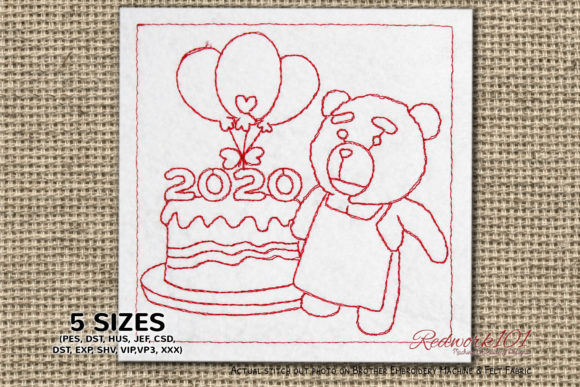
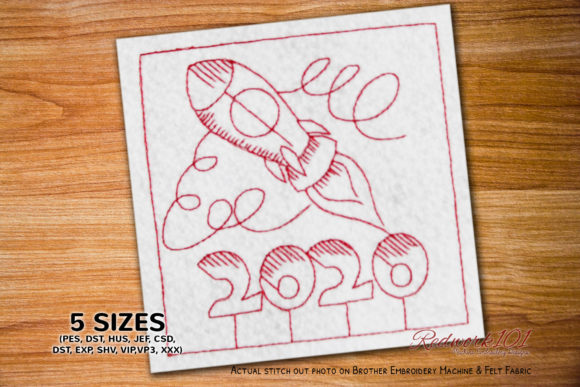
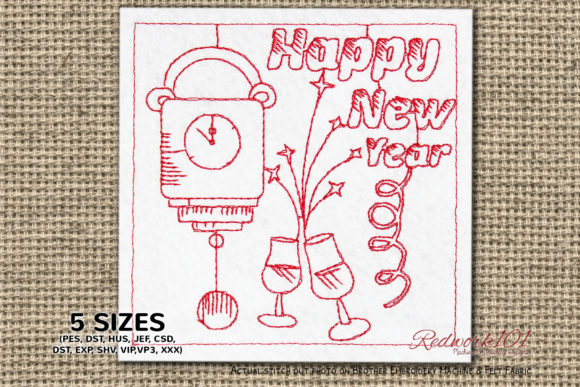
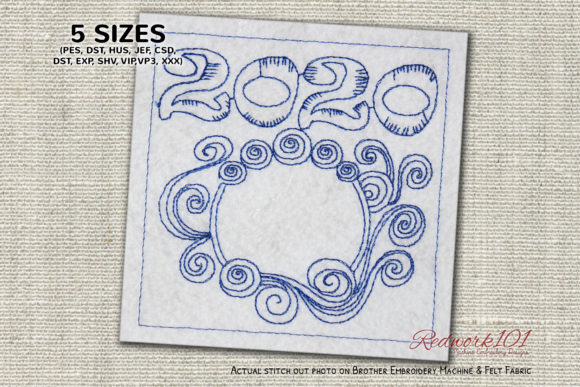
The New Year Abstract Pattern Redwork immediately conveys a sense of celebration and modernity. It blends the classic elegance of paisley-inspired motifs with contemporary geometric shapes and negative space, making it feel both timeless and current. The layout is balanced yet dynamic, with flowing lines that suggest motion and festivity—perfect for capturing the essence of the New Year without being overly literal.
One standout feature is the optional box stitch mentioned in the product description. While it serves as a framing element, its color can be changed or even omitted depending on the fabric and project. This flexibility is a big plus for designers looking to adapt the piece for different applications. The level of detail is moderate, so it won’t overwhelm small surfaces, but it still has enough character to make a statement when sized appropriately.
Theme and Use Case Fit
This design feels most at home on items like tote bags, sweatshirts, aprons, and decorative pillows. Its abstract quality allows it to work well in both casual and more refined settings. For instance, I imagined using it on a custom sweatshirt embroidery for a boutique line of holiday-themed activewear, where simplicity and boldness are key. Alternatively, it could serve as a subtle background pattern on a tea towel or kitchen accessory, especially if paired with minimal text or accents.
Real-Life Performance and Project Suitability
I tested this design on several mockup products using a digital embroidery file approach. Here's what I found:
- Custom Apparel: The design works beautifully on cotton-polyester blends used in t-shirts and sweatshirts. When stitched in a contrasting thread color, it adds a festive touch without being too loud.
- Baby Clothes: I considered using it on a onesie, but the density of some areas might not be ideal for delicate baby garments. A lighter touch would be better here.
- Patches and Caps: On a felt patch, the stitch density was manageable, though corners required careful trimming post-stitching. On curved surfaces like caps, alignment became tricky unless the hoop size was large enough to accommodate the curvature.
- Tote Bags and Pillow Covers: These were among the best fits. The pattern’s flow complemented the shape of the bag and added visual interest to otherwise plain pillow covers. It’s particularly effective when placed off-center to create asymmetry and movement.
- Holiday Gifts and Decor: As a handmade product, it elevated simple items into something special. Think embroidered ornaments, personalized gift tags, or even monogrammed towels for gifting.
- Etsy Listings and Boutique Branding: The New Year Abstract Pattern Redwork could easily become a signature motif for a seasonal Etsy shop or small shop product line. Its versatility means it can appear across multiple items while maintaining brand consistency.
When reviewing embroidery project mockups, I noticed that the design’s contrast really shines on light-colored fabrics. Darker backgrounds muted the effect slightly, so thread choice becomes critical. Using a white or cream base with deep red or black threads gave the strongest visual impact.
Where Caution Is Needed
While the New Year Abstract Pattern Redwork is versatile, there are certain situations where extra care is needed:
- Small Hoop Sizes: If you’re planning to stitch this on tiny patches or buttons, consider resizing carefully. Some elements may lose clarity or become too crowded.
- Textured or Stretchy Fabrics: On knits or flannel, the fill stitches tended to pucker slightly. Always test on scrap fabric first to adjust tension or stabilize accordingly.
- Detailed Corners and Dense Stitch Areas: The design includes intricate lines and curves that may require close inspection after stitching. Small details can sometimes get lost or distorted if not stabilized properly.
- Products That Require Frequent Washing: Dense stitch areas may pill over time, especially on items like aprons or baby clothes. Opt for a lighter version or reduce stitch density if durability is a concern.
- Dark Fabric Backgrounds: Without sufficient thread contrast, the design can blend in. White or metallic threads might be better choices in these cases.
Visual Appeal and Customer Reaction
In terms of visual appeal, the machine embroidery design holds up well in both digital previews and finished products. Customers who appreciate minimalist yet meaningful holiday aesthetics will likely respond positively. It’s not over-the-top, but it does have a certain charm that makes it memorable. In an Etsy listing, this kind of holiday embroidery can increase buyer engagement by offering a unique alternative to common snowflakes or fireworks.
What stood out during my tests was how the design enhances the perceived value of the finished product. Even on basic items like canvas totes or muslin pillow covers, it gave them a professional, curated look. This is important for craft business owners and creative entrepreneurs aiming to stand out in competitive markets.
Design Notes for Embroidery Success
If you're thinking about incorporating this design into your next embroidery project, here are a few practical tips I’ve gathered:
- Test First: Always stitch the design on scrap fabric before moving to the final product. This helps identify any potential issues with tension or distortion.
- Check Thread Contrast: Especially on dark or textured materials, ensure the thread colors pop. Sometimes a change from the default palette is necessary.
- Review Stitch Density: Adjust fill or satin stitch density based on the fabric. Too dense, and it can cause puckering; too sparse, and it loses definition.
- Confirm Hoop Size: Make sure your hoop is large enough to handle the full design without stretching or shifting.
- Inspect Small Details: Look closely at the inner parts of the design. Tiny lines and curves need proper stabilizer and precise stitching.
- Use Black-and-White Mockups: Before finalizing placement, test the design in grayscale to see how it interacts with your chosen fabric texture and background.
- Compare Light and Dark Fabrics: This helps determine the best thread combinations and placement strategies for maximum visibility.
- Choose the Right Stabilizer: Depending on the fabric, a tear-away or cut-away stabilizer might be necessary to keep everything flat and neat.
- Licensing Check: If you plan to sell items featuring this design, confirm whether the digital embroidery file comes with commercial rights. Not all designs are suitable for resale or production without permission.
Final Thoughts for Designers and Makers
The New Year Abstract Pattern Redwork is a solid addition to any embroiderer’s library, especially those working with holiday themes or wanting to add subtle flair to everyday items. Its abstract style gives it broad appeal, and the optional box stitch provides room for customization. However, success with this design hinges on thoughtful preparation and adaptation to your specific materials and customer needs.
Whether you’re a seasoned apparel decorator or a hobbyist crafting personalized gifts, this design has the potential to elevate your offerings. Just remember to consider fabric type, hoop size, and thread contrast before committing to a full run. And always double-check licensing if you’re selling the finished product.
Overall, I’m impressed with how this embroidery file translates from screen to fabric. It’s a great example of how abstract patterns can bring a fresh perspective to traditional redwork, and I look forward to seeing how others incorporate it into their design assets and handmade creations.