Baby Giraffe Embroidery Review
As an embroidery designer who spends most of my days judging stitch quality and visual balance, I am always on the lookout for designs that bridge the gap between simple digital files and premium boutique products. When browsing Creative Fabrica embroidery collections, it is easy to get lost in a sea of generic motifs. However, the Baby Giraffe design caught my eye immediately. It possesses a specific charm that feels both timeless and ready for modern apparel.
I have been planning a new line of cozy, neutral-toned sweatshirts and pastel hoodies for my own small shop, and I needed a focal point that was cute without being overly childish. This review breaks down how Baby Giraffe performs as a machine embroidery design, its aesthetic appeal, and practical considerations for turning this file into a sellable handmade product.
First Impressions: Visual Personality and Mood
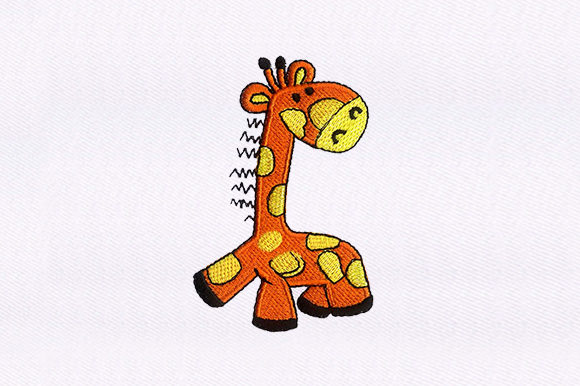
The first thing you notice about Baby Giraffe is its approachable energy. It does not scream for attention with bold, aggressive lines; instead, it offers a soft, playful presence that works exceptionally well for boutique brand identities focused on comfort and warmth. The design feels classic yet trendy, striking a balance that appeals to parents looking for unique gifts or crafters wanting to create something special for their own children.
In terms of detail level, the design relies on clean outlines and minimal internal clutter. This is a huge advantage for sweatshirt embroidery. Because knit fabrics like fleece can sometimes distort fine details, a design that uses strong shapes rather than tiny, intricate stitching holds up better during production. The mood is undeniably cute and gentle, making it perfect for pastel hoodies in sage green, blush pink, or cream. It also has enough visual weight to stand out against darker garments, though thread selection becomes critical here.
Applying Baby Giraffe to Apparel Projects
When I imagine using Baby Giraffe in a collection, I see it shining in several key placements. Here is how I envision this embroidery file performing across different garment types:
- Sweatshirt Chest Placement: This is the most obvious choice. Centered on the chest of a heavyweight cotton-poly blend sweatshirt, the giraffe becomes a statement piece. The simplicity of the design allows it to look intentional and high-end rather than mass-produced.
- Hoodie Sleeve Accents: For a more subtle touch, placing a smaller version of the design near the cuff or along the side seam adds a "hidden gem" quality. This is very popular among Etsy sellers looking to offer personalized touches.
- Oversized Garments: On oversized tees or boxy hoodies, the design benefits from the large canvas. It prevents the embroidery from looking cramped and allows the fabric texture to complement the stitches.
- Denim Jackets: A denim jacket provides a sturdy base that can handle the tension of the embroidery. The contrast between the rugged denim and the soft, whimsical giraffe creates a beautiful textural interplay.
- Tote Bags: Beyond clothing, this design translates beautifully to canvas tote bags. It serves as excellent lifestyle product content for social media graphics, showing customers how versatile the design is.
Strategic Use in Boutique Merchandise
For commercial embroidery projects, consistency is key. Baby Giraffe offers a visual consistency that helps build brand recognition. When customers see a recurring motif style—soft, animal-themed, and cleanly stitched—they begin to associate that look with your shop’s quality standards.
This design is particularly effective for printable mockups and digital sellers who need to showcase products before physical inventory is built. Because the design is visually distinct but not overly complex, it photographs well. It reads clearly in thumbnail images on marketplaces, which is crucial for driving clicks and increasing customer engagement.
Furthermore, using a pre-made design like this allows small business owners to focus on marketing and customer service rather than spending weeks digitizing from scratch. It accelerates the path from concept to finished product, allowing you to test market trends faster.
Where to Exercise Caution
While Baby Giraffe is versatile, no design is universal. There are specific scenarios where you must be careful:
- Small Chest Placement: If the garment is very small (e.g., infant sizes), ensure the hoop size accommodates the design without cutting off parts of the giraffe. Always check the dimensions.
- Dense Stitch Areas: Although the design appears light, if the digitization includes dense fill stitches, it may feel stiff on thin t-shirts. Test on scrap fabric to ensure the hand-feel is acceptable.
- Stretchy Fabric: On highly stretchy materials like jersey knits, improper stabilizer choice can lead to puckering. The design itself might be fine, but the execution depends on your setup.
- Ribbed Fabric: Avoid placing the design directly over ribbed cuffs or collars unless you are using a specialized technique. The uneven surface will cause needle deflection and inconsistent stitching.
- Dark Garments: On black or navy apparel, the thread color choice defines the success of the piece. Light threads may require a heavy underlay, which can add bulk. Dark threads might hide the design too much. Choose your thread colors wisely.
Practical Designer Notes for Production
Before adding Baby Giraffe to your production queue, I recommend following these steps to ensure professional results:
- Test on Scrap Fabric: Never run a full production order without a test run. Use a scrap piece of the actual garment fabric to check for any issues with thread tension or fabric distortion.
- Check Stabilizer Choice: For sweatshirt embroidery, a cut-away stabilizer is usually best to maintain shape after washing. For lighter fabrics, a tear-away might suffice, but stability is paramount.
- Review Thread Color Contrast: Ensure the thread stands out against the garment. High contrast generally looks more premium and ensures the design is visible.
- Confirm Hoop Size: Verify that the design fits within your machine’s maximum hoop size. If the design is large, you may need to reposition it or use a larger hoop.
- Inspect Stitch Density: Look closely at the digitization. Are there any areas where the stitches are too close together, potentially causing the fabric to pucker? Adjusting density settings in your software can sometimes help.
- Compare Placement Options: Try different positions on the garment digitally or physically before committing. Sometimes a slightly off-center placement looks more dynamic.
- Check Licensing: This is critical. Before selling finished apparel, read the Creative Fabrica product details carefully. Confirm the license terms for commercial use. Some designs allow unlimited sales, while others may have restrictions on the number of items produced.
Final Verdict
Baby Giraffe is a solid addition to any embroidery file library aimed at the baby and toddler market. Its clean aesthetic makes it suitable for a wide range of custom apparel projects, from casual t-shirts to structured hoodies. It supports a cohesive brand identity and offers high perceived value when executed correctly.
For small shop product developers, this design offers a low-risk, high-reward opportunity. It is visually appealing, technically manageable for most home machines, and fits seamlessly into current market trends for soft, nature-inspired aesthetics. Just remember to prioritize proper stabilization and thread selection, and you will have a winning product ready for your Etsy listings or online store.