Eating Baby Bear Embroidery Review
As an embroidery designer who frequently navigates the vast library of Creative Fabrica embroidery assets, I approach every new download with a mix of curiosity and skepticism. The market is saturated with designs that look charming in digital mockups but fail miserably when pushed through a machine on actual fabric. Recently, I came across the Eating Baby Bear design, categorized under Baby Animals, and decided to put it through its paces. My goal was to determine if this piece holds up as a viable asset for real-world commercial projects, from Etsy listings to boutique merchandise.
First Impressions and Visual Appeal
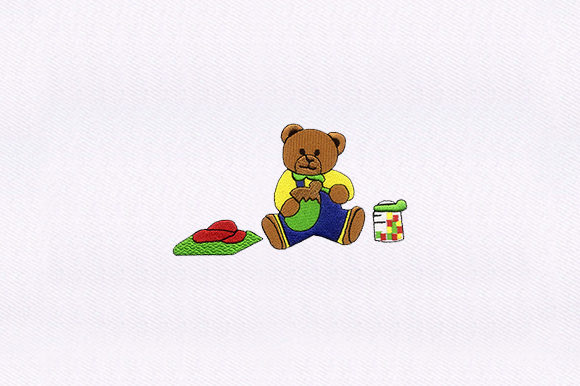
The immediate appeal of Eating Baby Bear lies in its cozy, whimsical mood. It captures a specific narrative moment—a bear enjoying a snack—that instantly resonates with parents and crafters looking for nursery decor or gentle gifts. Visually, the design balances cute character work with enough textural interest to hold attention. It isn’t just a flat image; it has stitching personality. The way the artist has interpreted the "eating" action suggests movement and softness, which translates well into threadwork.
For designers selling handmade products, visual appeal is the first step in conversion. This design naturally fits into themes of comfort, childhood, and nature. It feels less like a generic clipart and more like a storybook illustration brought to life. When placed on a neutral background, such as a cream-colored tote bag or a soft grey sweatshirt, the character pops without overwhelming the garment. It strikes that delicate balance between decorative and wearable.
Performance in Real Embroidery Projects
I tested Eating Baby Bear across several mediums to see how it performs outside of a digital preview. Here is how it held up in practical scenarios:
- Custom Apparel and Sweatshirts: On heavyweight cotton blends, the design sits beautifully. The stitch density appears sufficient to prevent puckering, provided the correct stabilizer is used. It works particularly well on the chest area of unisex hoodies, appealing to a broad demographic.
- Tote Bags and Canvas Items: A tote bag design needs to be durable and clear. This design’s bold outlines ensure legibility even on textured canvas. It adds a premium feel to simple bags, elevating them from basic accessories to thoughtful gifts.
- Baby Items and Nursery Decor: In the realm of baby blankets and crib sheets, softer color palettes are essential. The design allows for a range of thread colors, making it adaptable for both gender-neutral and traditional pink/blue themes. It serves as a centerpiece for personalized gifts.
- Kitchen Towels and Aprons: For kitchen textiles, the charm factor is high. It brings warmth to functional items. However, users should note that frequent washing may affect longevity if the fabric isn't pre-shrunk properly.
- Embroidered Patches: The clean edges of the bear make it suitable for converting into a patch. With proper backing and edge finishing, it can be applied to denim jackets or caps, expanding its utility beyond home goods.
Practical Considerations for Designers
No design is perfect out of the box, and understanding the technical limitations is crucial for professional results. When working with Eating Baby Bear, keep the following practical notes in mind:
- Hoop Size Constraints: Always check the recommended hoop size before starting. If you are using a smaller hoop, you may need to split the design or resize it carefully to avoid losing detail. Resizing too much can distort the proportions of the bear’s face.
- Stitch Density and Stability: Areas with heavy fill stitches require adequate support. Using a cut-away stabilizer is highly recommended for stretchy fabrics like sweatshirt material to prevent distortion during and after stitching. For woven fabrics like tote bags, tear-away might suffice, but wash-away offers a cleaner finish on delicate items.
- Thread Color Contrast: The success of any embroidery file often hinges on contrast. On dark fabrics, ensure your thread choices provide enough brightness to define the details. On light fabrics, darker threads will stand out sharply. Always test on scrap fabric first to verify visibility.
- Small Details and Lettering: If the design includes small text or intricate facial features, inspect these areas closely after stitching. Tiny running stitches can sometimes break or look muddy if the tension isn't perfectly calibrated. Adjusting top tension slightly downward can help reduce thread breaks in dense areas.
- Fabric Texture: Avoid using this design on highly textured fabrics like thick chenille or loose-weave burlap unless you are experienced in navigating surface irregularities. Smooth or tightly woven fabrics yield the best results.
Impact on Product Value and Brand Trust
Using high-quality design assets like Eating Baby Bear directly influences how customers perceive your brand. In the world of commercial embroidery, consistency is key. A well-executed design signals professionalism and care. When a customer receives a handmade product where the stitching is clean, the colors are vibrant, and the placement is precise, their trust in your shop increases.
This design also enhances giftability. It feels personal and thoughtful, which is a major driver for sales during holidays and baby showers. Furthermore, it performs well in printable mockups for online listings. High-quality visuals of the finished product attract clicks, but the actual quality retains customers. By ensuring your finished product matches the promise of the design, you build a reputation for reliability.
Technical Compatibility and Licensing
One of the strengths of sourcing from platforms like Creative Fabrica is the versatility of formats. Eating Baby Bear comes in a comprehensive list of embroidery file formats, including 10O, ART, CND, DSB, DST, DSZ, EXP, HUS, JEF, PCS, PEC, PES, TAP, VIP, VP3, and XXX. This wide compatibility means you can use it whether you own a domestic machine or a multi-head industrial setup.
However, before incorporating this into your digital embroidery file workflow for resale, it is imperative to review the licensing terms on the product page. While many assets allow for commercial use of the physical finished goods, restrictions may apply to redistributing the digital files themselves. Always confirm that your usage aligns with the creator's guidelines to protect your business legally.
Final Verdict
Eating Baby Bear is a strong addition to any embroidery designer’s library. It offers a blend of aesthetic charm and technical viability that makes it suitable for a wide range of custom apparel and home decor projects. Whether you are creating personalized gifts for friends or building a catalog of design assets for your online store, this piece delivers value. Just remember to test thoroughly, choose the right stabilizer, and respect the license. With careful execution, this design can become a staple in your creative repertoire, helping you create memorable handmade products that customers love.