Aphid Redwork: A Designer’s Review for Personalized Gifts
As an embroidery designer who spends countless hours testing digital files before they ever reach a customer’s hoop, I approach every new design with a mix of curiosity and skepticism. We are looking for that perfect blend of aesthetic charm and technical reliability. Recently, I put the Aphid Redwork file through its paces to see if it truly belongs in a curated collection of personalized gift products. This review is written from the perspective of a professional planning real customer orders, focusing on how this machine embroidery design performs when translated into tangible, handmade goods.
First Impressions: Mood and Charm
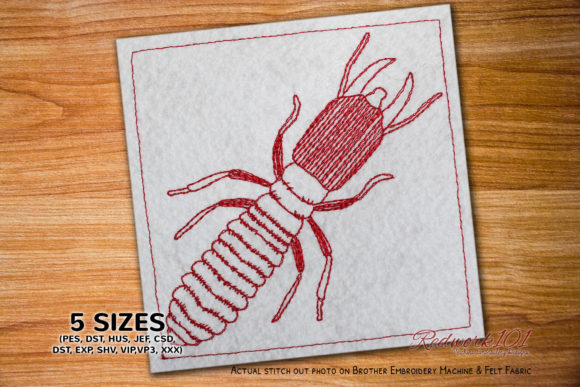
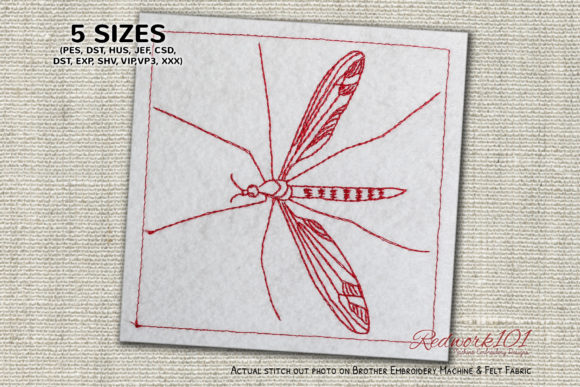
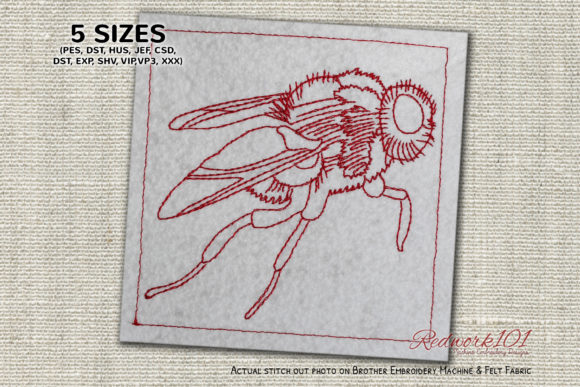
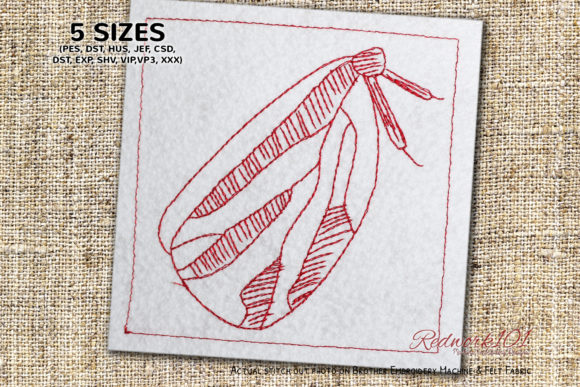
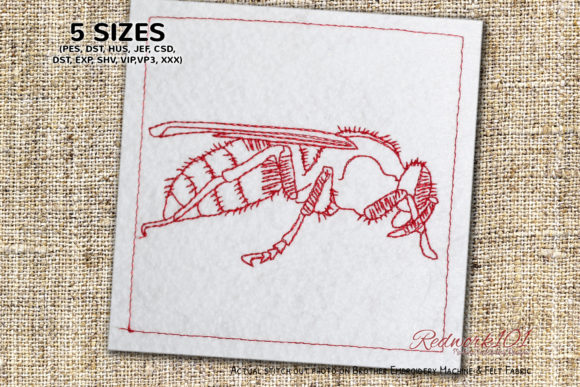
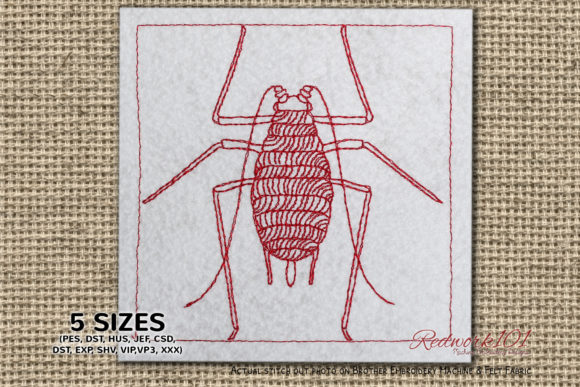
The moment I loaded the Aphid Redwork file, the mood was immediately apparent. It carries a distinct vintage elegance that feels both timeless and fresh. The redwork style, characterized by single-color outlines or simple fills, offers a clean, graphic look that is incredibly versatile. Unlike busy, multi-colored designs that can feel chaotic on small items, this design breathes. It feels sweet without being overly sentimental, elegant without being stiff, and playful enough to appeal to younger demographics.
For those of us creating personalized gifts, emotional connection is key. This design strikes a balance between classic craftsmanship and modern minimalism. It does not scream for attention but rather invites the viewer to appreciate the detail. Whether intended for a nursery item or a wedding keepsake, the aesthetic suggests quality and care. It fits seamlessly into categories like baby embroidery, where softness and simplicity are prized, or as part of a sophisticated wedding gift suite.
Application Scenarios: From Etsy Listings to Real Orders
In my experience, the true test of an embroidery file is its adaptability across various product types. I visualized several scenarios where Aphid Redwork could shine, particularly for Etsy sellers and small shop owners.
Baby and Nursery Products
One of the strongest use cases for this design is in the baby market. Imagine a monogrammed blanket embroidery project or a delicate placement on a muslin burp cloth. The clean lines of the redwork style translate beautifully on soft cottons and blends. It creates a handmade product that parents will cherish. Because the design relies on clear outlines, it remains legible even when stitched at smaller sizes, making it ideal for tiny onesies or booties. However, one must be cautious with fabric texture; extremely fluffy towels might obscure the fine details of the aphid motif.
Kitchen and Home Textiles
Moving beyond the nursery, this design has significant potential for home decor. An embroidered towel featuring this motif adds a touch of whimsy to a kitchen setting. Similarly, a pillow cover adorned with Aphid Redwork could serve as a charming accent piece in a child’s room or a rustic-themed living space. The simplicity of the color palette allows it to match almost any interior design scheme, increasing its appeal to a broader audience.
Weddings and Events
For wedding gift designers, personalization is everything. This design could be adapted for custom tote bags for bridal party members or as a unique embellishment on linen napkins. The "Bugs" category might seem unconventional for weddings, but nature-inspired motifs are trending. When executed well, it signals a thoughtful, curated choice rather than a generic purchase. It enhances customer trust because it demonstrates a specific, intentional design choice.
Technical Considerations and Pitfalls
While the aesthetic appeal is high, a responsible designer must address the technical realities. Not every design works on every surface. Here are critical areas where Aphid Redwork requires careful handling.
- Fabric Texture and Thickness: Avoid using this design on thick, looped towels or heavily textured fabrics unless you have tested it extensively. The stitches may not penetrate evenly, leading to puckering or missed details. For best results, stick to smooth weaves like percale, sateen, or tightly woven cottons.
- Delicate Details: While the overall shape is bold, some redwork designs include finer internal lines. If stitching very small, these details may merge together. Always check the stitch density and ensure the design is scaled appropriately for the final product size.
- Stretchy Fabrics: Be cautious when embroidering on stretchy baby clothes or jersey knits without adequate stabilizer support. The tension of the thread can distort the fabric, ruining the crisp look of the redwork outline.
- Dark Fabrics: Redwork traditionally uses a single thread color, often red, against white or light fabric. If you intend to use this on dark fabric, you will need to adjust the thread color significantly or add a backing layer to ensure contrast. Poor contrast kills the visual impact of a design.
Boosting Perceived Value and Giftability
From a business perspective, how a design looks affects how much a customer is willing to pay. Aphid Redwork elevates the perceived value of a custom embroidery order. Its clean, professional appearance suggests high-quality production. When customers see a finished product with such precise stitching, it reinforces the idea of a premium handmade product.
This design also aids in product photography. Because the lines are clear and the motif is recognizable, it photographs well against neutral backgrounds. For Etsy sellers and online artisans, having a strong visual hook in your mockups is essential for driving clicks and sales. A printable mockup featuring this design can help you visualize the final result before committing to physical samples.
Practical Embroidery Notes for Makers
Before adding this to your commercial inventory, follow these practical steps to ensure success:
- Test on Scrap Fabric: Never go straight to a customer’s item. Stitch the design on scrap fabric that matches the weight and weave of your target product.
- Check Thread Color Contrast: Ensure the chosen thread stands out clearly against the fabric. Experiment with different shades of red or contrasting colors if the standard option doesn’t pop.
- Confirm Hoop Size: Verify that the design fits within your standard hoop sizes. If it is large, ensure you have the equipment to handle it or consider resizing options.
- Use Proper Stabilizer: Choose a cut-away stabilizer for permanent garments and tear-away for temporary projects like towels. Incorrect stabilizer choice leads to puckering.
- Review Commercial Licensing: Always confirm the licensing terms of the digital embroidery file. Ensure you are permitted to sell finished products made with this design. If details are missing, contact the designer directly.
Final Thoughts
Aphid Redwork is a versatile, charming addition to any embroidery library. Its ability to convey warmth and quality makes it an excellent choice for small business owners looking to expand their range of personalized gifts. Whether used for a baby shower present, a housewarming gift, or a unique wedding favor, this design delivers on both aesthetic and emotional levels. By paying attention to fabric choices and technical execution, makers can create stunning finished products that resonate with buyers and stand out in a crowded marketplace.