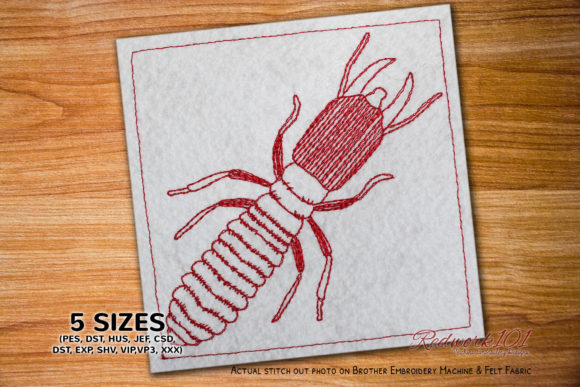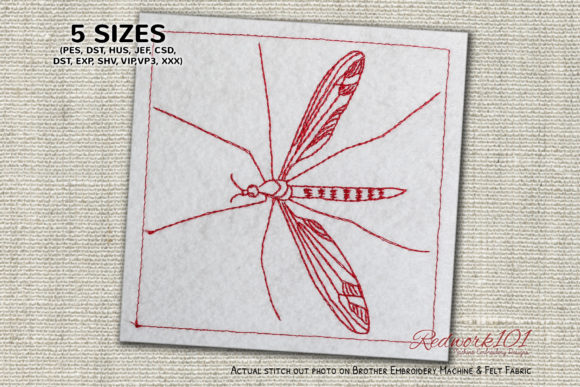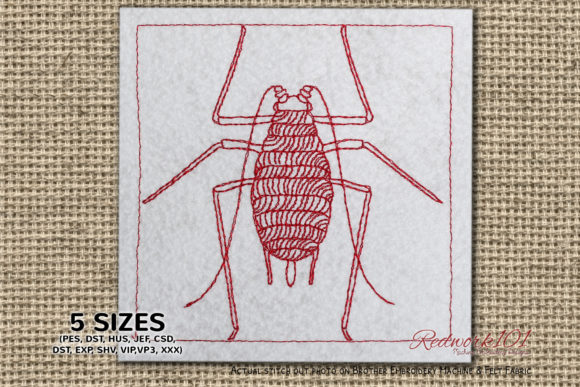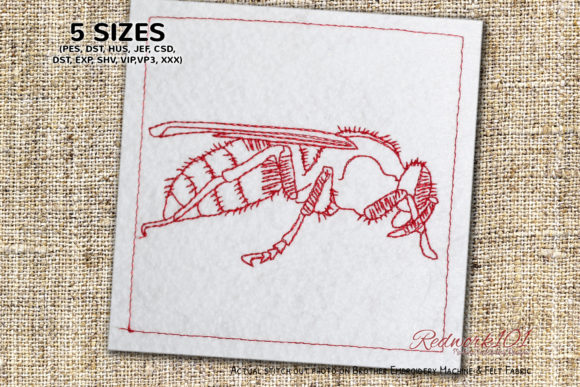
Auchenorrhyncha Redwork Review
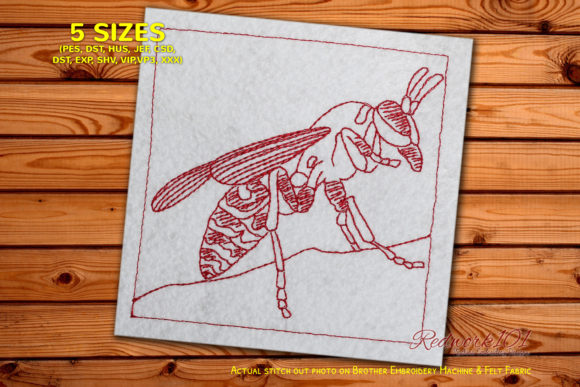
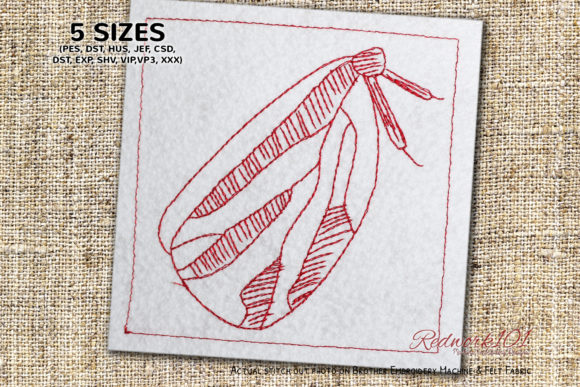
As an embroidery designer who has spent years refining designs for commercial production, I look at every new file with a critical eye. It is not enough for a design to simply look pretty on a screen; it must perform under the hoop, withstand the rigors of washing, and elevate the brand it adorns. Today, I am reviewing Auchenorrhyncha Redwork, a digital embroidery file categorized under Bugs and Embroidery. This review focuses on its viability for small business merchandise, branded patches, and custom apparel.
First Impressions: The Aesthetic of Auchenorrhyncha Redwork
The title "Auchenorrhyncha" refers to a suborder of hemipteran insects, commonly known as cicadas, leafhoppers, and planthoppers. When paired with the term "Redwork," one expects a specific aesthetic: clean lines, minimal shading, and a focus on outline and negative space. Redwork is traditionally a style of embroidery that uses a single color, often red, to create bold, graphic imagery.
Auchenorrhyncha Redwork delivers on this promise. The design feels professional yet approachable. It avoids the cluttered complexity that often plagues insect-themed designs, opting instead for a streamlined, modern look. For a small business owner, this is crucial. A design that is too detailed can lose its definition when stitched at smaller sizes, but this piece maintains clarity. It strikes a balance between rustic charm and premium presentation. Whether you are running a boutique garden shop, a creative studio, or a handmade craft brand, this design offers a visual personality that is both playful and elegant. It does not scream for attention; rather, it invites the viewer to appreciate the craftsmanship.
Real-World Business Applications
In my experience, the true test of a machine embroidery design is how well it translates across various product types. Auchenorrhyncha Redwork proves to be a versatile asset for small business merch. Here is how it performs in common commercial scenarios:
- Embroidered Patches: This design excels as a sew-on or iron-on patch. The clean lines ensure that even at smaller diameters (such as 2.5 inches), the details remain distinct. It works beautifully for branding on denim jackets, backpacks, or tote bags.
- Staff Uniforms and Aprons: For cafes, bakeries, or florists, adding a subtle bug motif can signal a connection to nature or local ecology. Placed on the chest pocket of a work shirt or the upper corner of an apron, Auchenorrhyncha Redwork adds a touch of personality without compromising professionalism.
- Cap Embroidery: The structured nature of this design makes it suitable for cap fronts. However, curvature must be considered. The design’s symmetry helps it adapt well to the curved surface of a baseball cap, creating a cohesive look.
- Tote Bag Design: Canvas totes are a staple for Etsy sellers and crafters. This design provides a focal point that draws the eye. It pairs exceptionally well with natural fabrics, enhancing the handmade product appeal.
- Product Packaging Accents: Beyond apparel, consider using this design on hang tags or fabric labels attached to your goods. It reinforces brand identity and creates a memorable unboxing experience.
Strategic Considerations and Limitations
While Auchenorrhyncha Redwork is a strong candidate for many projects, no design is universally perfect. As a designer, I advise caution in specific applications to ensure the highest quality output.
Small Patch Sizes: If you intend to stitch this design smaller than two inches, you must inspect the digitization closely. Fine details may merge together if the stitch density is too high. Always produce a physical sample before committing to bulk production.
Curved Surfaces: While caps are generally safe, highly curved items like beanies or fitted sleeves can distort the geometry of the design. Test these applications carefully.
High Stitch Density: Although redwork typically implies lower density, check the actual fill areas. High density can cause puckering on lightweight fabrics like silk or thin cotton blends. It is best suited for medium-to-heavy weight fabrics such as denim, canvas, twill, or thick jersey.
Dark Uniforms and Thread Contrast: The description notes that the outer box color may vary. If your base fabric is dark, ensure you have sufficient thread contrast. A light-colored design on a dark background requires careful underlay stitching to prevent the fabric from showing through. Conversely, a dark design on light fabric needs proper coverage to avoid a "see-through" effect.
Frequent Washing: For items that will undergo industrial laundering, such as restaurant uniforms, verify the stability of the stitches. Loose threads or inadequate backing can lead to fraying over time.
Impact on Brand Identity and Customer Trust
In the world of e-commerce and handmade brands, visual consistency is key. Customers associate high-quality embroidery with attention to detail and care. Using a well-executed design like Auchenorrhyncha Redwork signals that your brand values quality. It enhances customer trust and recognition.
When a customer sees a professionally embroidered logo or accent on a tote bag or hat, it elevates the perceived value of the finished product. It transforms a generic item into a branded asset. Furthermore, the unique subject matter (insects/nature) can help differentiate your brand in a crowded market. It suggests creativity and a niche focus, which can drive buyer engagement and social media shares.
Practical Designer Notes for Production
Before integrating Auchenorrhyncha Redwork into your production line, follow these essential steps:
- Test in Black and White: Convert the design to monochrome to check contrast and balance. This ensures the design works regardless of the thread colors you choose.
- Check Small Size Legibility: Resize the design to its intended final dimensions on your software. Can you still identify the subject? Are the lines too close together?
- Review Thread Color Contrast: Select thread colors that pop against your target fabric. The description mentions optional box colors; use this flexibility to match your brand palette.
- Inspect Spacing and Hoop Size: Confirm that the design fits within your standard hoop size. Tight spacing can lead to needle breaks or thread tension issues.
- Test on Real Fabric: Never trust a digital preview alone. Stitch the design on the actual fabric you plan to use. Observe how the fabric texture interacts with the stitches.
- Use Proper Stabilizer: Choose the right stabilizer (cut-away for stretchy fabrics, tear-away for wovens) to prevent distortion.
- Create a Printable Mockup: Before producing physical samples, create a printable mockup for client approval or marketing materials. This saves time and resources.
- Compare Design Assets: Place this design beside other elements of your brand kit. Does it complement your existing logos and patterns?
- Confirm Commercial Licensing: Most importantly, verify that you have the appropriate license for commercial embroidery. Ensure you are allowed to sell products featuring this embroidery file.
Final Verdict
Auchenorrhyncha Redwork is a solid choice for designers seeking a clean, professional, and slightly whimsical addition to their design assets. Its strength lies in its simplicity and versatility. It works well for custom apparel, tote bag design, and branded accessories. By paying attention to fabric selection, thread contrast, and proper stabilization, small business owners can leverage this design to create high-quality merchandise that resonates with customers. Remember to check the specific technical details, such as stitch count and file format, directly from the provider, as these are not included in the general description. With careful execution, this design can become a valuable part of your digital embroidery file library.