Crane Fly Redwork Review
As an embroidery designer who spends half my life staring at digitized files and the other half testing them on fabric, I have learned to be skeptical of any design that promises too much or reveals too little. When I first pulled up Crane Fly Redwork for a potential spot in our upcoming boutique sweatshirt collection, I wasn’t sure what to expect. The title suggests a classic aesthetic, but the description hints at flexibility. This review is not just about the file itself; it is about how this specific design asset fits into the real-world workflow of small clothing brands, Etsy sellers, and creative entrepreneurs looking to elevate their handmade product offerings.
The First Impression: Mood and Aesthetic
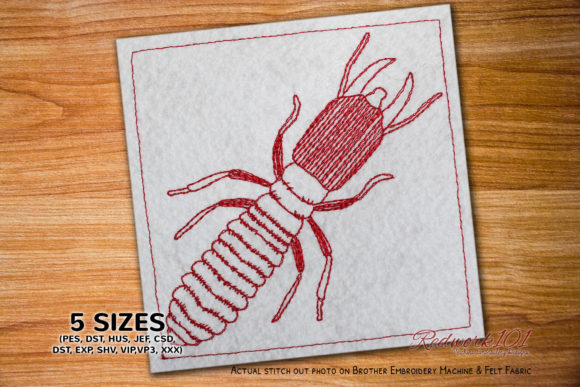
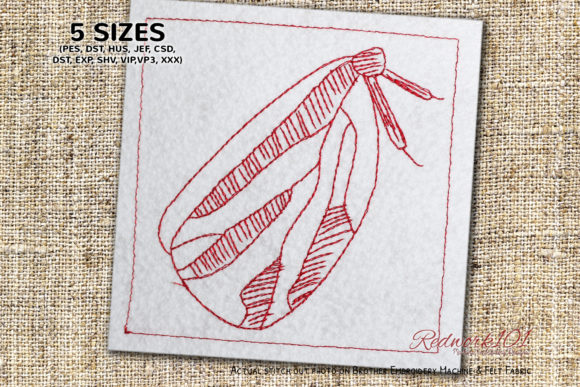
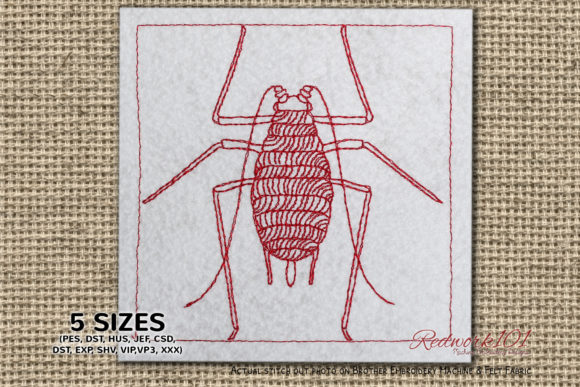
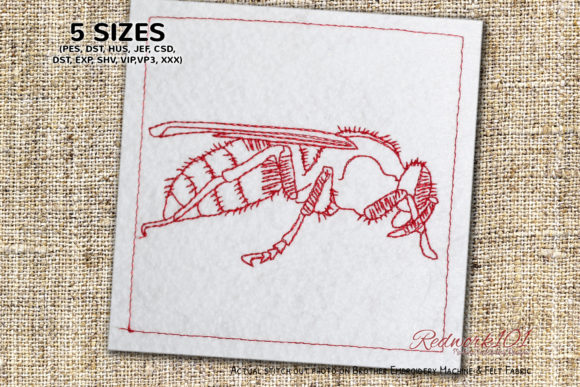
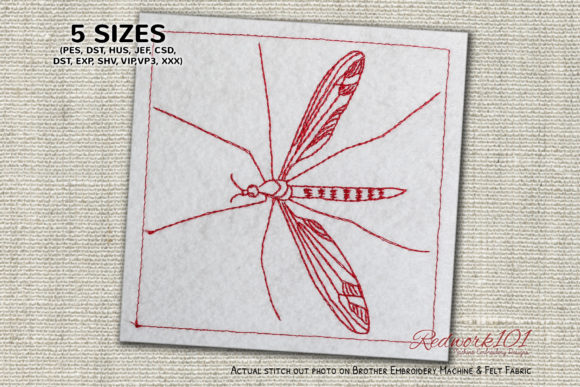
Redwork embroidery has always held a special place in my heart. It is rustic, timeless, and inherently charming because of its simplicity. When evaluating Crane Fly Redwork, the immediate mood is one of understated elegance. Unlike busy, multi-colored designs that can feel cluttered on a garment, this piece relies on clean lines and open space. For a boutique brand, this is crucial. You want your apparel to feel premium, not mass-produced.
The layout is balanced, making it versatile for various placements. Whether you are placing it on the left chest of a crewneck or centering it on the back of an oversized hoodie, the design maintains its integrity. It feels playful yet sophisticated, striking a rare balance that appeals to both minimalists and those who appreciate decorative details. On neutral tones like oatmeal, charcoal, or cream, the single-color nature of traditional redwork allows the texture of the thread to take center stage, creating a tactile experience that photographs beautifully for lifestyle product shots.
Application on Sweatshirts and Hoodies
Sweatshirt embroidery presents unique challenges compared to woven fabrics. The fabric is thicker, often textured, and prone to shifting under the hoop. This is where the structural integrity of a machine embroidery design truly shines. Crane Fly Redwork appears to have a stitch density that is manageable for knit fabrics without causing excessive puckering, provided the correct stabilizer is used.
For our limited drop, we considered several scenarios:
- Neutral Sweatshirts: On a soft, washed-cotton sweatshirt, the crisp lines of the crane fly would pop against the muted background. It adds a touch of artisanal flair that elevates a basic garment into a statement piece.
- Dark Fabric: While redwork is traditionally done in red, the flexibility mentioned in the description allows for experimentation. Using a contrasting thread color, such as white or gold, on a black hoodie could create a bold, modern look. However, designers must ensure the outer box color is distinct if included.
- Pastel Colors: On lavender or sage green hoodies, the design takes on a softer, more feminine vibe. This opens up market segments for spring collections or baby apparel, expanding the utility of the embroidery file.
- Oversized Hoodies: The scale of the crane fly seems appropriate for larger garments. It does not get lost in the volume of the fabric, nor does it overwhelm the wearer. It serves as a perfect focal point for custom apparel branding.
Placement and Versatility
Beyond the standard chest placement, this design offers exciting possibilities for sleeve accents. A smaller version or a repeated motif along the cuff could add a delightful surprise element. For digital sellers, these variations mean more mockup previews and higher perceived value for customers browsing Etsy listings. The ability to skip certain elements, like the optional Box Stitch, gives the embroiderer control over the final look, ensuring the design fits the specific vision of the boutique brand.
Practical Design Concerns for Production
When reviewing a digital embroidery file, practical concerns are just as important as aesthetics. Here is what I looked for regarding Crane Fly Redwork:
Thread Color and Contrast
The description notes that the color of the outer box may differ from the main design in most instances. This is a critical detail for production. If you are aiming for a monochromatic look, you will need to manually edit the file to skip the secondary color or change the thread assignment. For an Etsy seller, offering customizable options based on this feature can increase customer engagement. However, it requires attention to detail during the digitizing or editing phase to ensure the thread colors contrast well with the chosen fabric texture.
Stitch Density and Stabilizer Choice
High stitch density can cause issues on sweatshirts, leading to stiff spots or needle breakage. Crane Fly Redwork seems to utilize a lighter touch, which is ideal for comfort. However, due to the nature of knit fabrics, a cut-away stabilizer is non-negotiable for commercial embroidery. This ensures that the design remains durable through multiple washes, maintaining the professional finish that builds buyer trust.
Hoop Size and Readability
Before production, it is essential to check the hoop size requirements. While exact dimensions were not provided in the initial description, verifying that the design fits within standard 4x4 or 5x7 hoops is vital for efficiency. Additionally, assessing the small-size readability is key. If the crane fly’s details are too fine, they may disappear when stitched at a smaller scale. Based on the redwork style, the lines appear thick enough to remain legible even at reduced sizes, making it suitable for various small shop product applications.
Impact on Brand Identity and Product Value
In the crowded marketplace of handmade goods, visual recognition is everything. A well-executed embroidery design like Crane Fly Redwork signals quality. It tells the customer that care was taken in the creation process. This perception directly affects product value. Customers are willing to pay a premium for items that feel curated and thoughtfully designed.
Furthermore, the rustic yet modern appeal of redwork aligns perfectly with current trends in sustainable and slow fashion. By using this design, you are tapping into a aesthetic that resonates with consumers who value craftsmanship over fast fashion. It enhances the narrative of your handmade product, allowing you to connect emotionally with your audience. Whether you are selling physical goods or licensing design assets, the versatility of this file supports a strong brand identity.
Final Thoughts and Recommendations
Crane Fly Redwork is a strong candidate for inclusion in any serious embroidery portfolio. Its adaptability across different fabric types and color palettes makes it a valuable tool for apparel decorators and creative entrepreneurs. It strikes the right balance between decorative charm and wearable simplicity.
However, before integrating this into your production line, please verify the following:
- File Format and Compatibility: Ensure the embroidery file is compatible with your specific machine software.
- Stitch Count and Hoop Dimensions: Confirm these technical details to avoid production delays.
- Licensing Terms: Verify if the license permits commercial use for your sweatshirt collections.
- Color Customization: Test the optional box stitch removal to ensure it meets your aesthetic standards.
By addressing these points, you can confidently use Crane Fly Redwork to create stunning, high-quality apparel that stands out in a competitive market. It is not just a bug design; it is a design decision that reflects your commitment to quality and style.