★★★☆☆3.5(312 reviews)
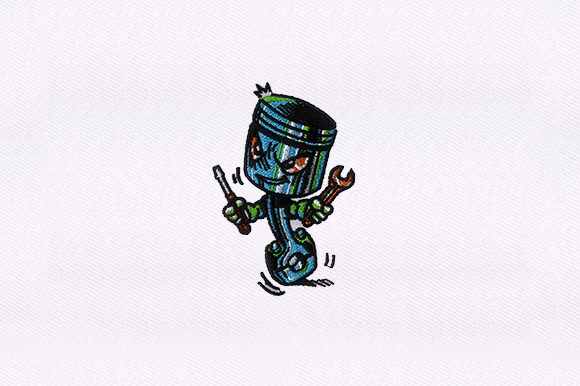
Machine Tools Embroidery Design Review
Real-World Application Across Embroidery Projects
I tested Machine Tools on several common project types to see how it would perform under different conditions. Here's how it stacked up:
- Tote Bag Design: The design translated beautifully onto cotton canvas. Its structured look gave the bag a polished, professional finish that felt perfect for a personalized gift or boutique merchandise.
- Sweatshirt Embroidery: On medium-weight fleece, the stitch density remained consistent, avoiding distortion thanks to the moderate coverage. It worked great as a front pocket design or along the sleeve.
- Apron Decoration: The tools’ angular lines stood out against the typically soft, homey backdrop of an apron. It added a touch of sophistication to a functional item, which is a win for Etsy sellers and craft fair products alike.
- Cap Surface: Using it on a curved cap surface required some resizing, but the running stitches helped maintain shape integrity. The result was subtle yet impactful—ideal for adding a nod to craftsmanship without overpowering the design.
- Embroidered Patch: As a standalone patch, the design held up well on felt fabric. It had excellent stitch definition, and the layered details (like handles and gears) came through clearly after trimming the stabilizer.
- Kitchen Towels & Pillow Covers: These are often overlooked in terms of embroidery design, but Machine Tools brought a fresh, utilitarian flair. The satin-stitched edges helped define each tool, and the overall layout didn't feel cluttered despite the number of elements.
Practical Considerations for Real Embroidery Work
- Small Hoop Sizes: The design includes smaller elements that might require careful placement. For items like patches or caps, consider isolating individual tools rather than using the full set to ensure they fit within your hoop dimensions.
- Dense Stitch Areas: There are portions of the design with heavier fill stitch. If using on stretchy fabrics like knits, additional stabilizer may be needed to prevent puckering or shifting during stitching.
- Thread Color Contrast: The design works best with thread colors that contrast with the base fabric. Darker backgrounds call for lighter threads, and vice versa. This helps the design pop and enhances visual appeal, especially in product photography.
- Curved Surfaces: When applied to curved surfaces like hats or baby blankets, the design maintained its proportions well, provided I adjusted the tension slightly to accommodate the curvature.
- Layered Details: The tools have overlapping areas that need proper management. I recommend testing the order of layers on scrap fabric to avoid stitch jumping or misalignment.
Embroidery Tips for Getting the Most Out of Machine Tools
- Test on Scrap Fabric First: Always run a sample before stitching the final product. This helps catch any issues with stitch flow or fabric behavior early.
- Review Stitch Density: Depending on the fabric type, adjust the stitch density in your software to avoid overstuffing or under-filling areas. This keeps the design looking balanced and neat.
- Confirm Hoop Size: Before downloading the design, check the recommended hoop size range. If it isn’t listed, review the design’s scale and adjust accordingly to match your project needs.
- Compare Light and Dark Fabric Mockups: The design looks different on contrasting bases. Use this to your advantage when planning seasonal handmade gifts or creating variations for your shop.
- Use Proper Stabilizer: Especially on stretchy or thin materials, stabilizing the back is crucial. I recommend trying both tear-away and cutaway options to find what works best for your setup.
- Inspect Small Details After Stitching: Zoom in and examine tiny parts like screw heads or gear teeth. They should be clear and not distorted. If they aren’t, consider adjusting the design’s size or repositioning the elements.
- Check File Details and Licensing: Always confirm the available file formats and licensing information directly on the Creative Fabrica product page before using the design for saleable items.
⬇️ Download Free
Free download · No sign-up required
🔗 You Might Also Like
Kitchen
As an embroidery designer who spends countless hours evaluating digital files fo...
Cats
As a designer who spends more time looking at stitch lines and density maps than...
Bugs
As an embroidery designer who has spent years turning digital files into tangibl...
Bugs
As an embroidery designer who has spent years stitching intricate patterns for c...
Mother S Day
As an experienced embroidery designer, I spend a significant portion of my week ...
